
SF Modules – Set 006 – Occupied Systems – 01
SF Modules — Set 006 “Occupied Systems”.
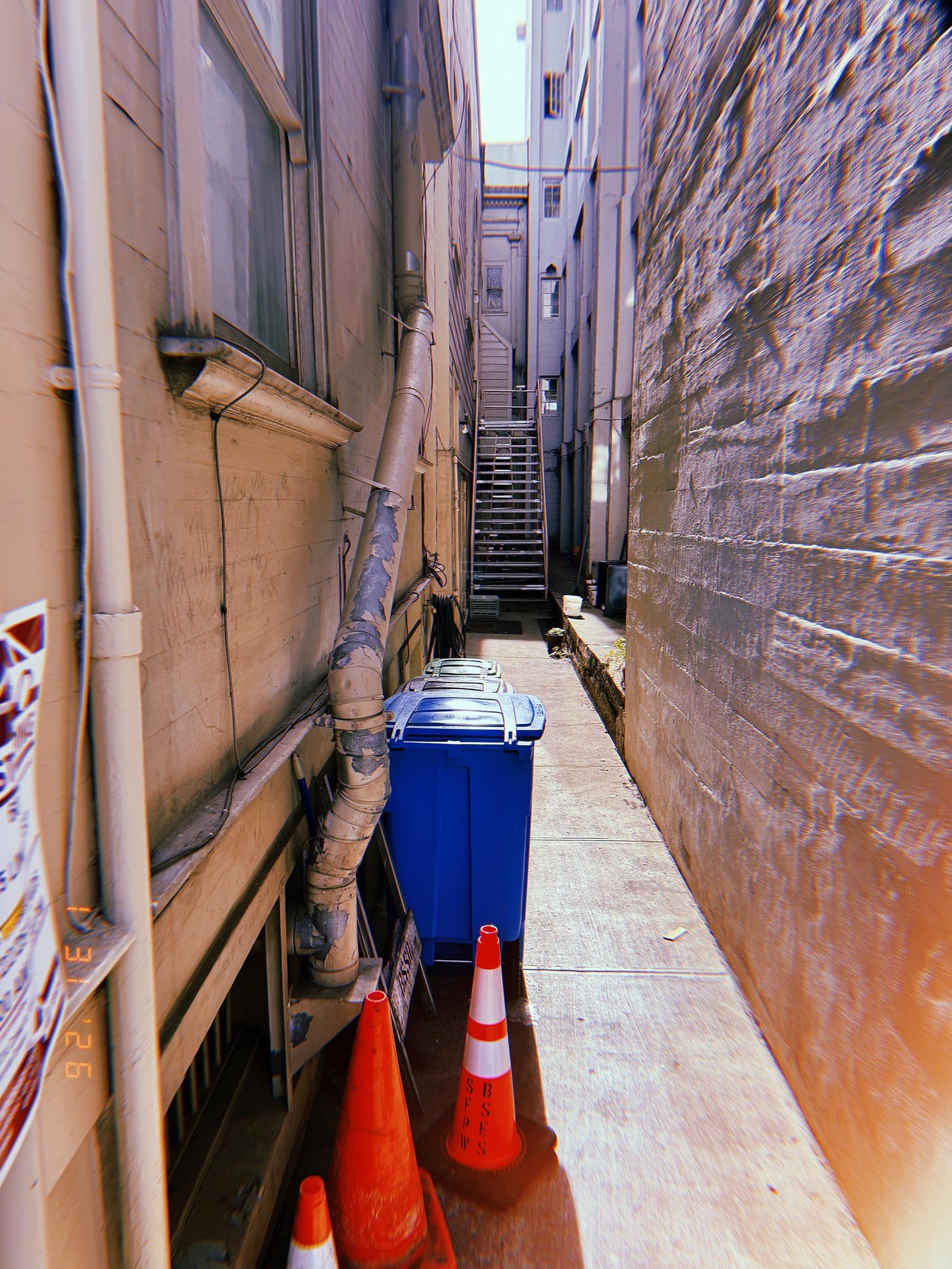
Blue waste containers and orange safety cones occupy part of a narrow service alley between buildings. The objects partially block the passage, demonstrating how operational infrastructure and maintenance activities temporarily claim and reorganize urban space.
SF Modules – Set 006 – Occupied Systems – 02
SF Modules — Set 006 “Occupied Systems”.
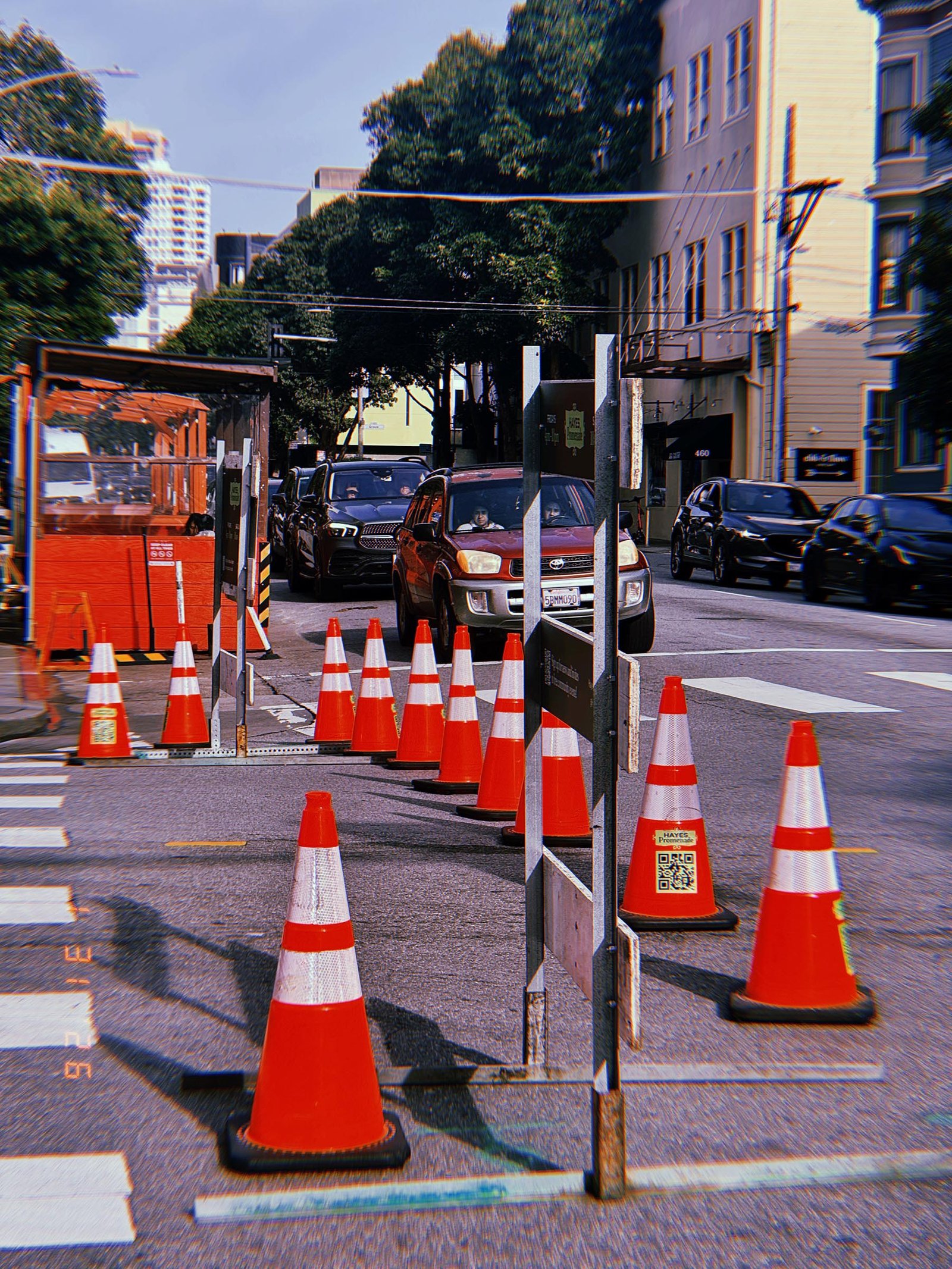
A line of orange traffic cones and temporary signage occupies part of a city street, creating a controlled corridor for vehicles passing through a work zone. The temporary arrangement modifies the normal traffic pattern and restructures the use of the roadway.
SF Modules – Set 006 – Occupied Systems – 03
SF Modules — Set 006 “Occupied Systems”.
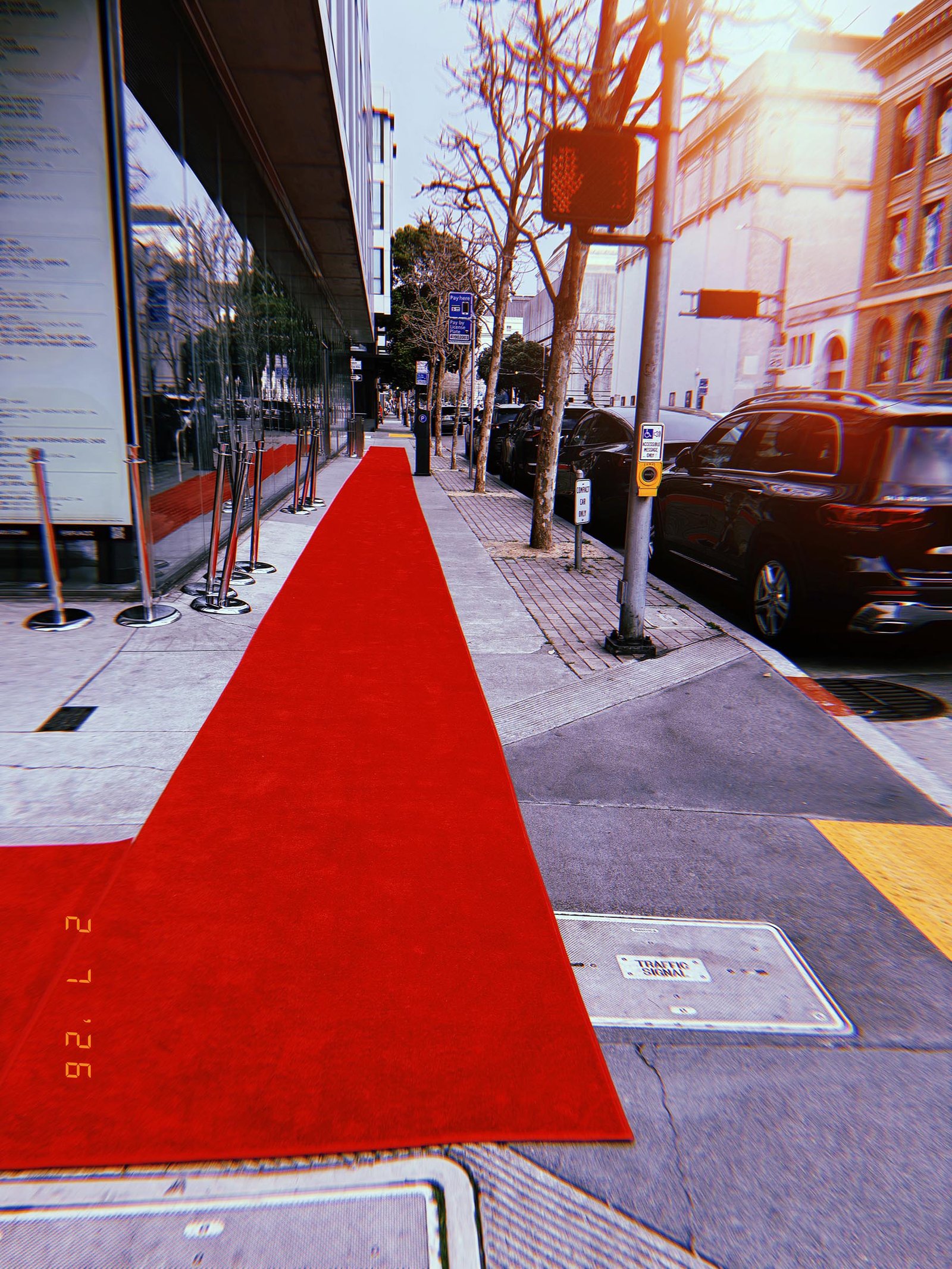
A long red carpet extends across the public sidewalk in front of a building entrance. The temporary installation overlays the normal pedestrian path, momentarily transforming a section of everyday urban infrastructure into an event-oriented space.
SF Modules – Set 006 – Occupied Systems – 04
SF Modules — Set 006 “Occupied Systems”.
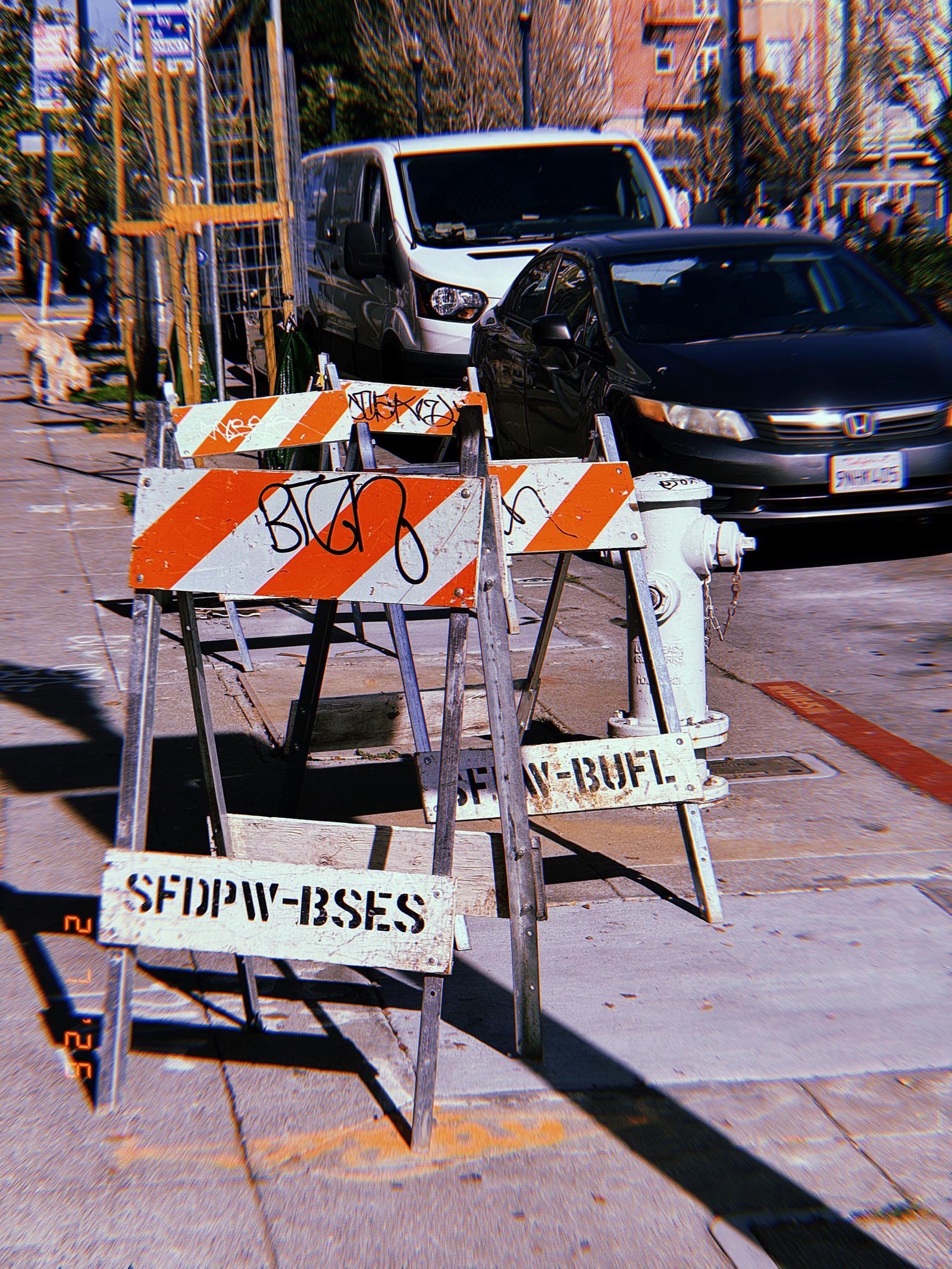
A series of temporary wooden barricades marked with orange reflective stripes stand along the sidewalk edge. Installed for street work or traffic control, the barricades occupy pedestrian space and signal a temporary alteration to the normal circulation of the street.
SF Modules – Set 006 – Occupied Systems – 05
SF Modules — Set 006 “Occupied Systems”.
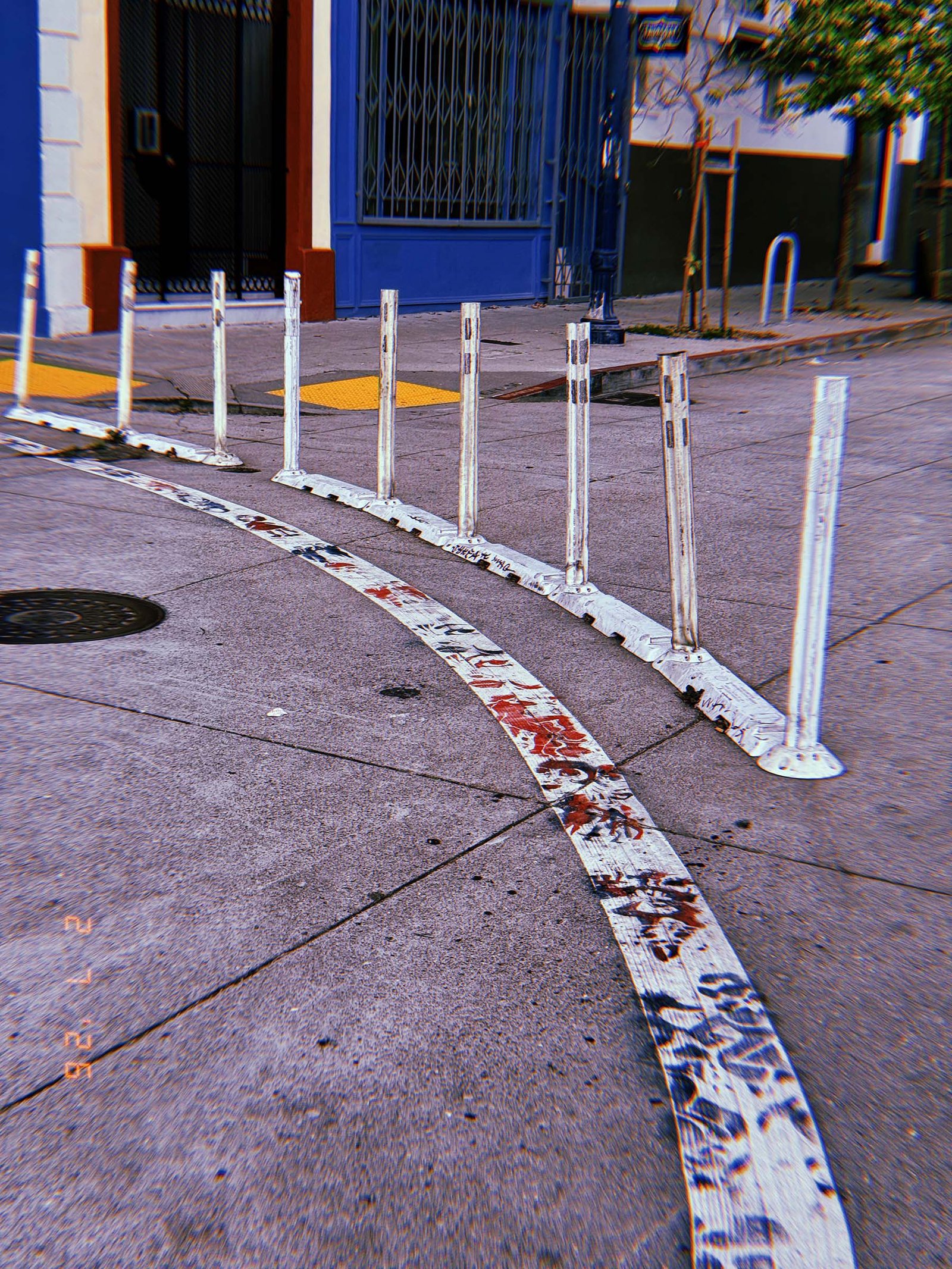
A line of flexible traffic posts follows a curved painted boundary at a street corner. The temporary divider posts occupy roadway space to separate traffic flows and redirect movement along the edge of the intersection.
SF Modules – Set 006 – Occupied Systems – 06
SF Modules — Set 006 “Occupied Systems”.
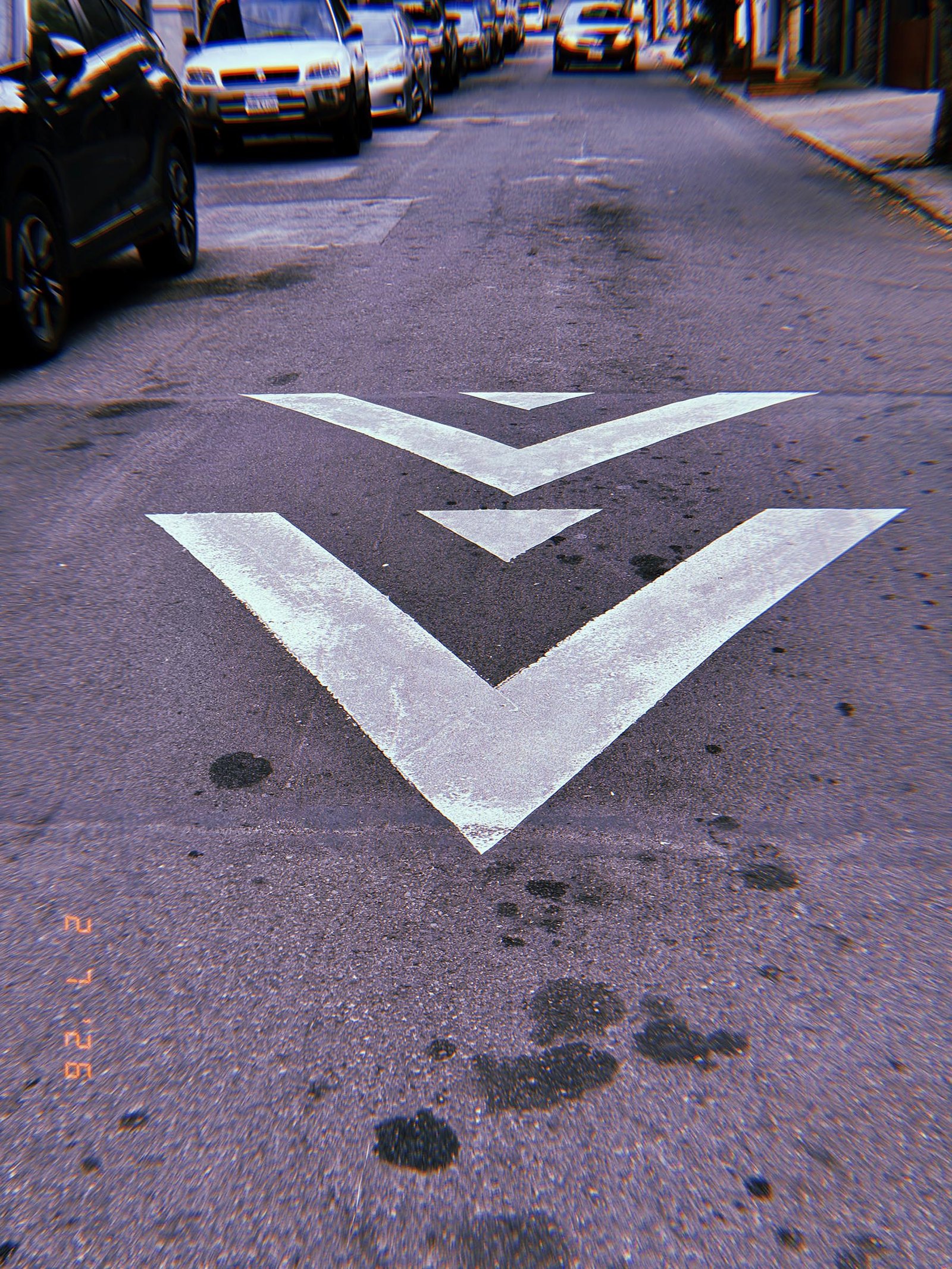
Large directional arrows are painted on the asphalt surface of a narrow city street. The markings guide vehicle movement and impose directional order onto the roadway, structuring how the space is used by traffic.
SF Modules – Set 006 – Occupied Systems – 07
SF Modules — Set 006 “Occupied Systems”.
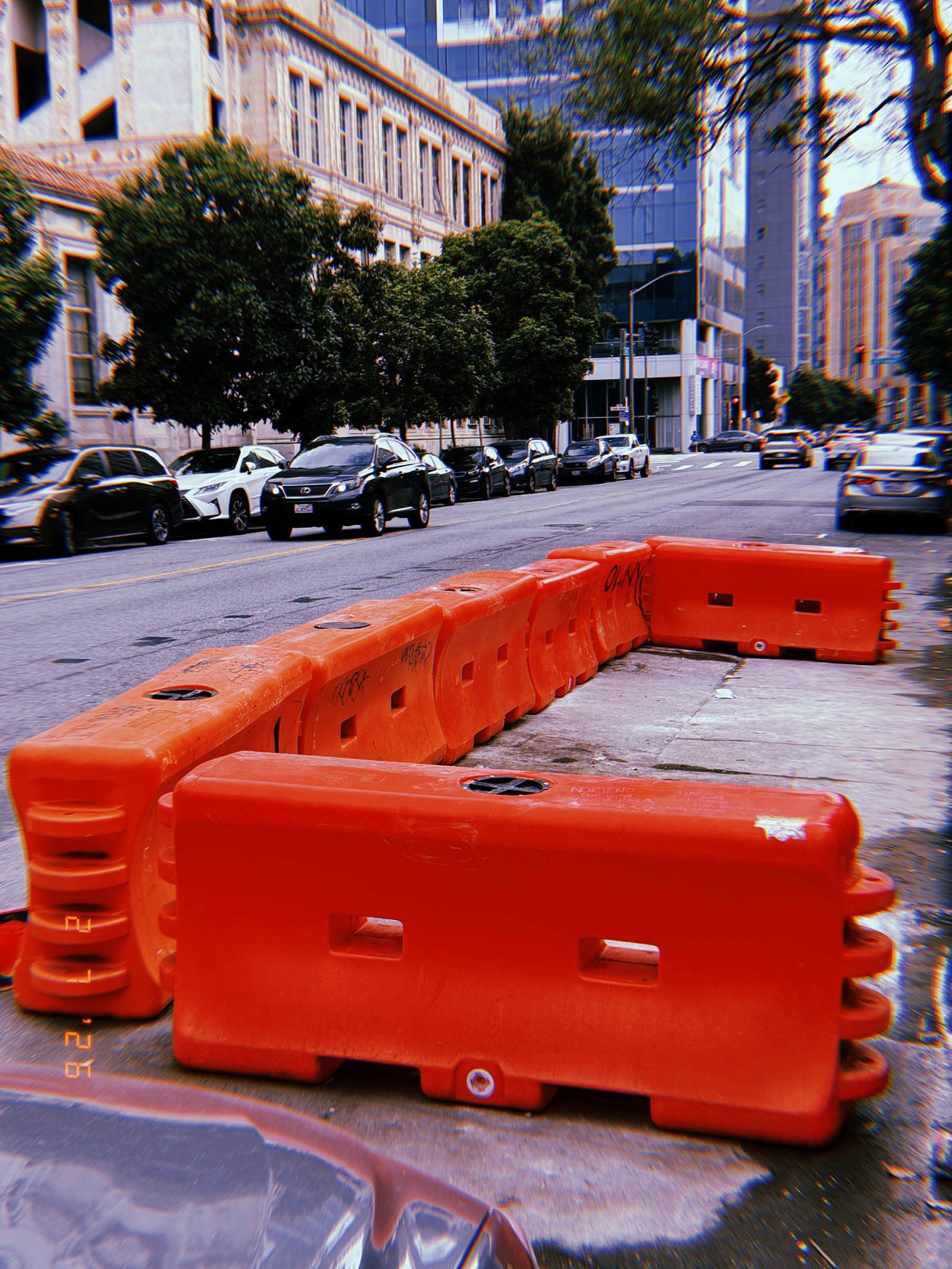
A row of bright orange construction barriers forms a temporary enclosure along the edge of the sidewalk and street. The barriers redirect movement and occupy public space, temporarily altering the intended circulation of pedestrians and vehicles.
SF Modules – Set 006 – Occupied Systems – 08
SF Modules — Set 006 “Occupied Systems”.
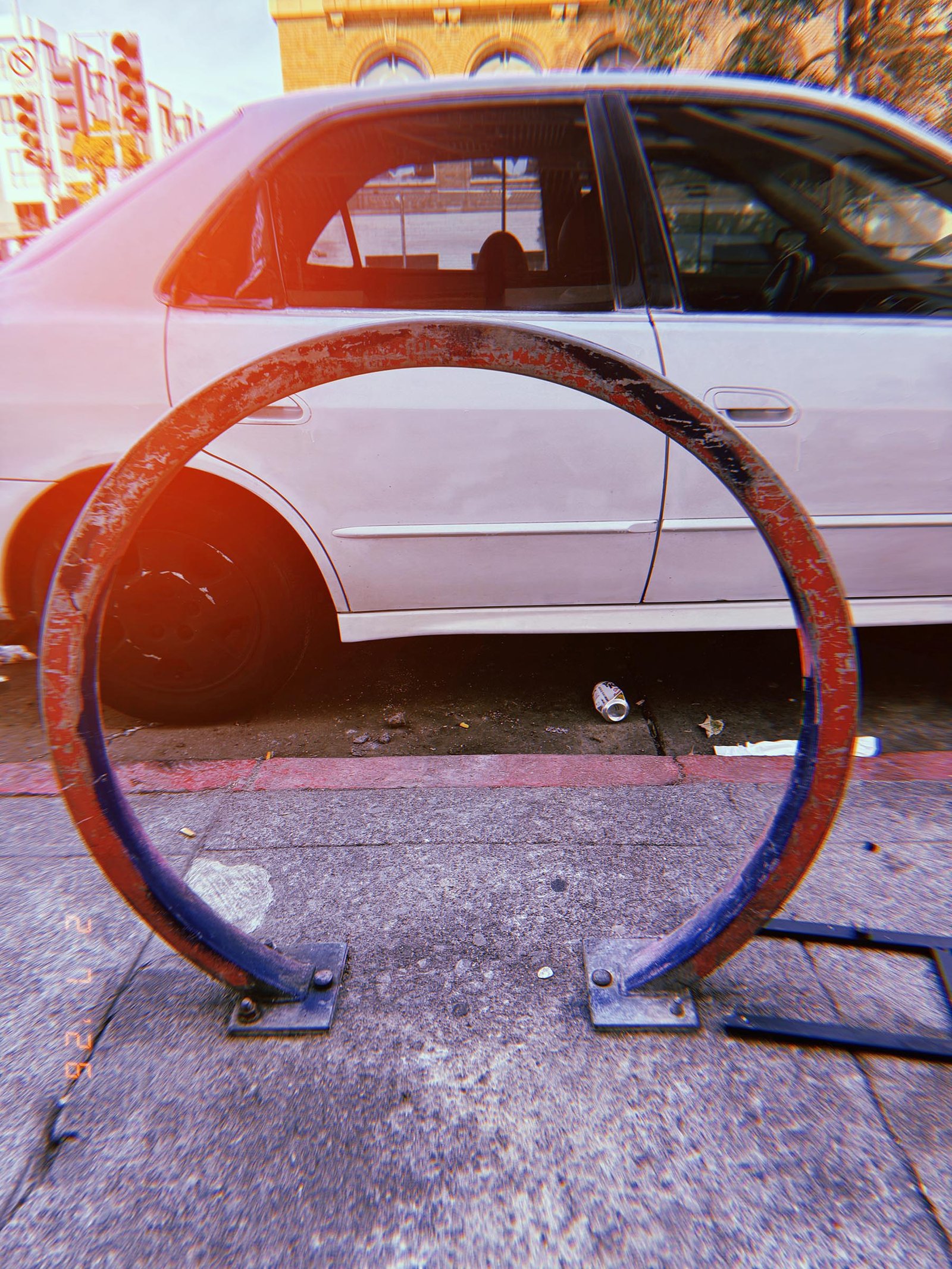
A circular bicycle rack installed on the sidewalk frames a parked vehicle in the street. The infrastructure element intended to organize bicycle parking intersects visually with the adjacent space occupied by a car, revealing overlapping uses of the curbside environment.
SF Modules – Set 006 – Occupied Systems – 09
SF Modules — Set 006 “Occupied Systems”.
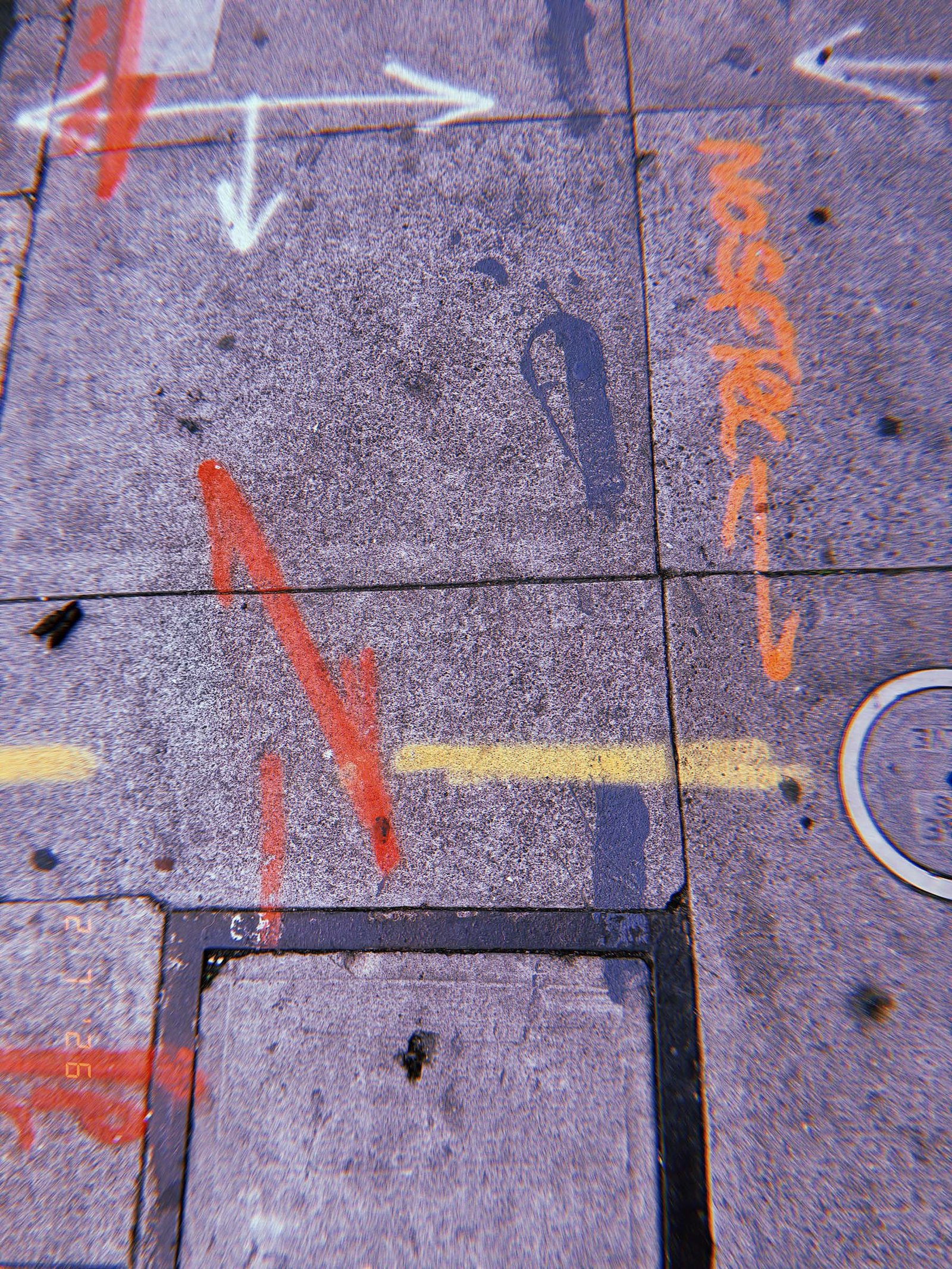
Spray-painted utility markings and directional arrows cover a section of sidewalk pavement. The temporary markings map underground infrastructure and guide maintenance work, overlaying operational instructions directly onto the public walking surface.
SF Modules – Set 005 – Units – 01
SF Modules — Set 005 “Units”.
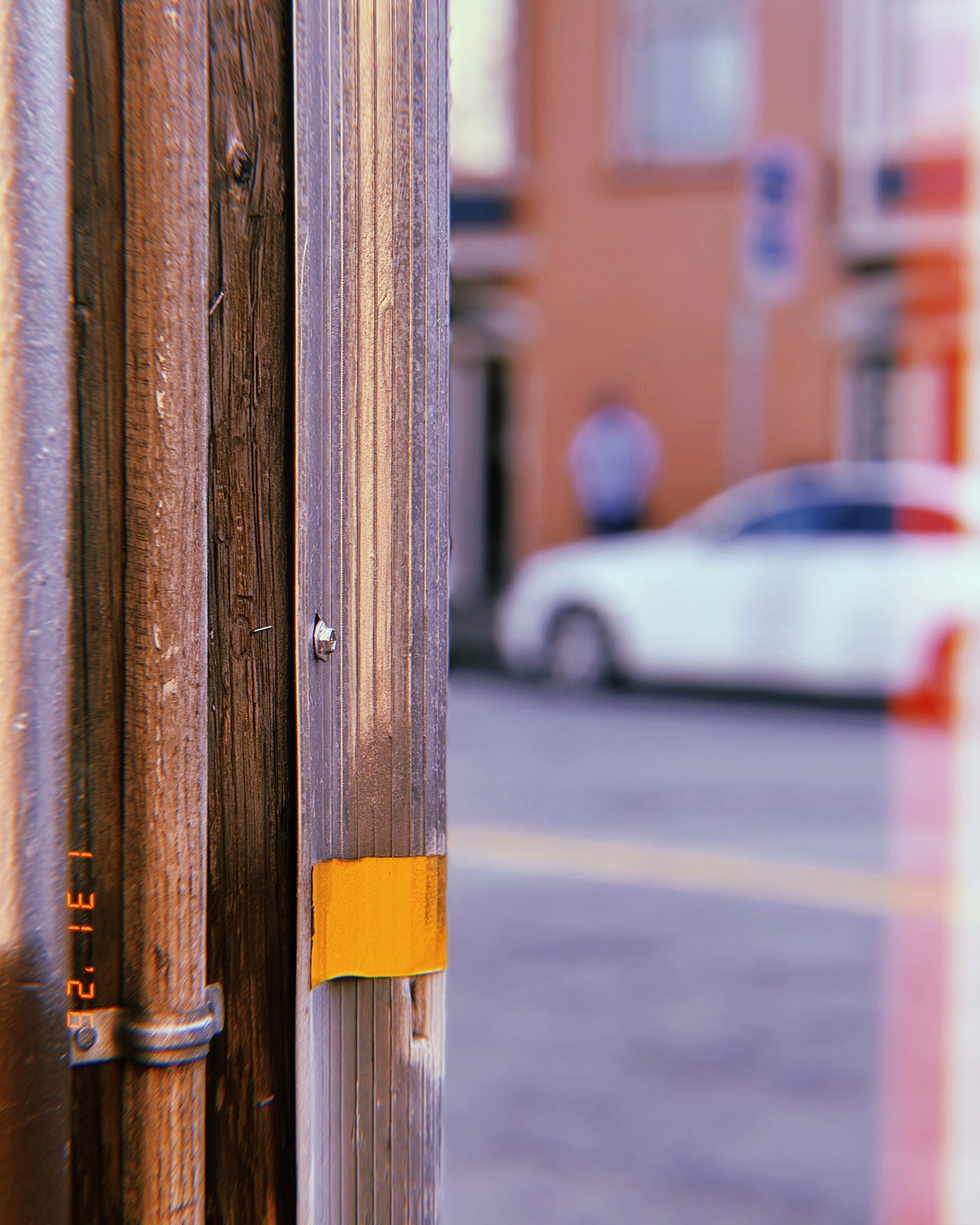
Electrical conduit attached to a wooden utility pole along the street. The installation forms a small structural unit within the city’s distribution network, carrying wiring between buildings and larger infrastructure systems.
SF Modules – Set 005 – Units – 02
SF Modules — Set 005 “Units”.
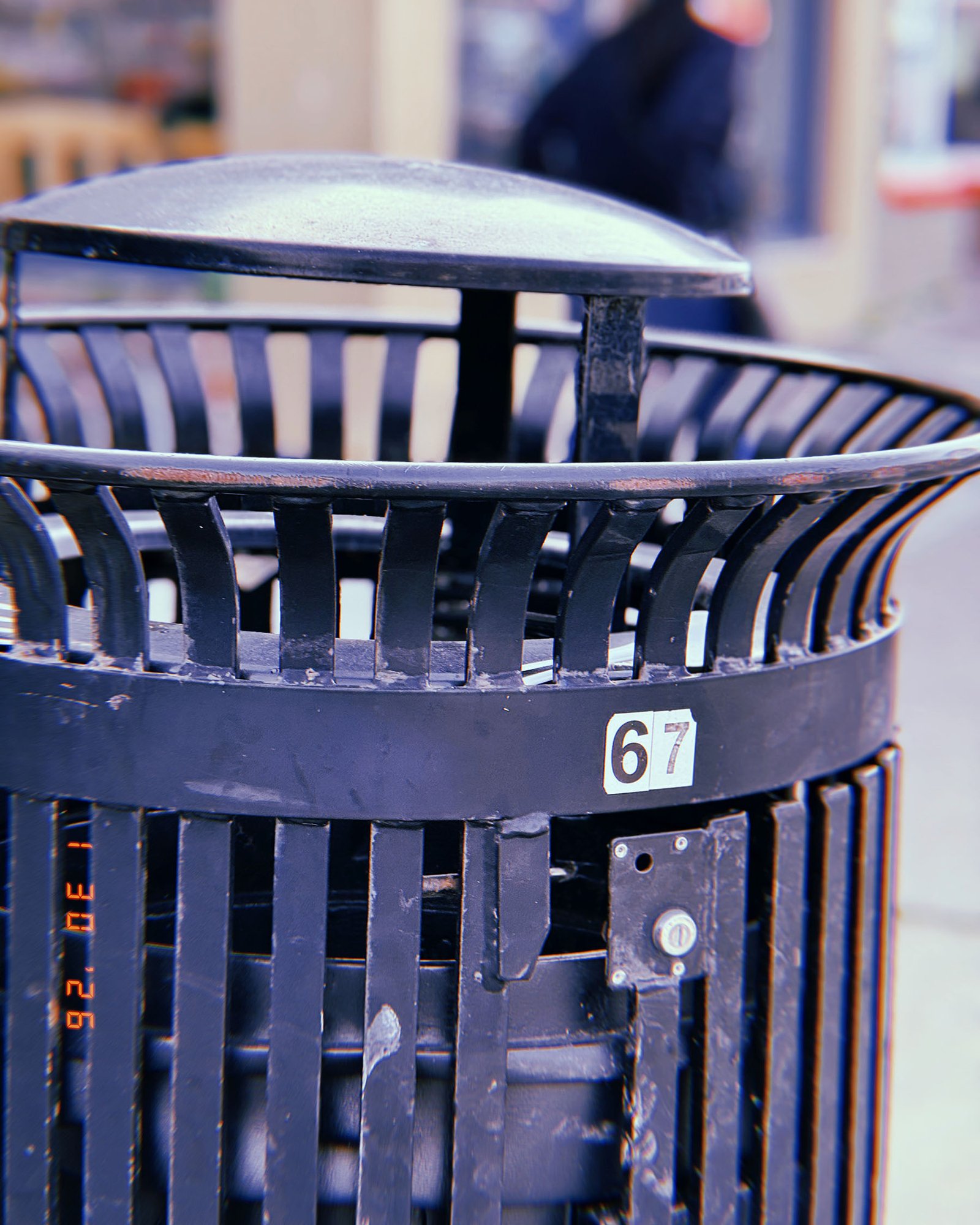
A public trash receptacle positioned along the sidewalk. The metal container functions as a sanitation unit within the city’s waste management system, providing a standardized point for collecting everyday refuse in the urban environment.
SF Modules – Set 005 – Units – 03
SF Modules — Set 005 “Units”.
A service bell button positioned at a restaurant pickup window. The circular device functions as a simple signaling unit, allowing customers to request staff attention and initiate interaction within the service system.
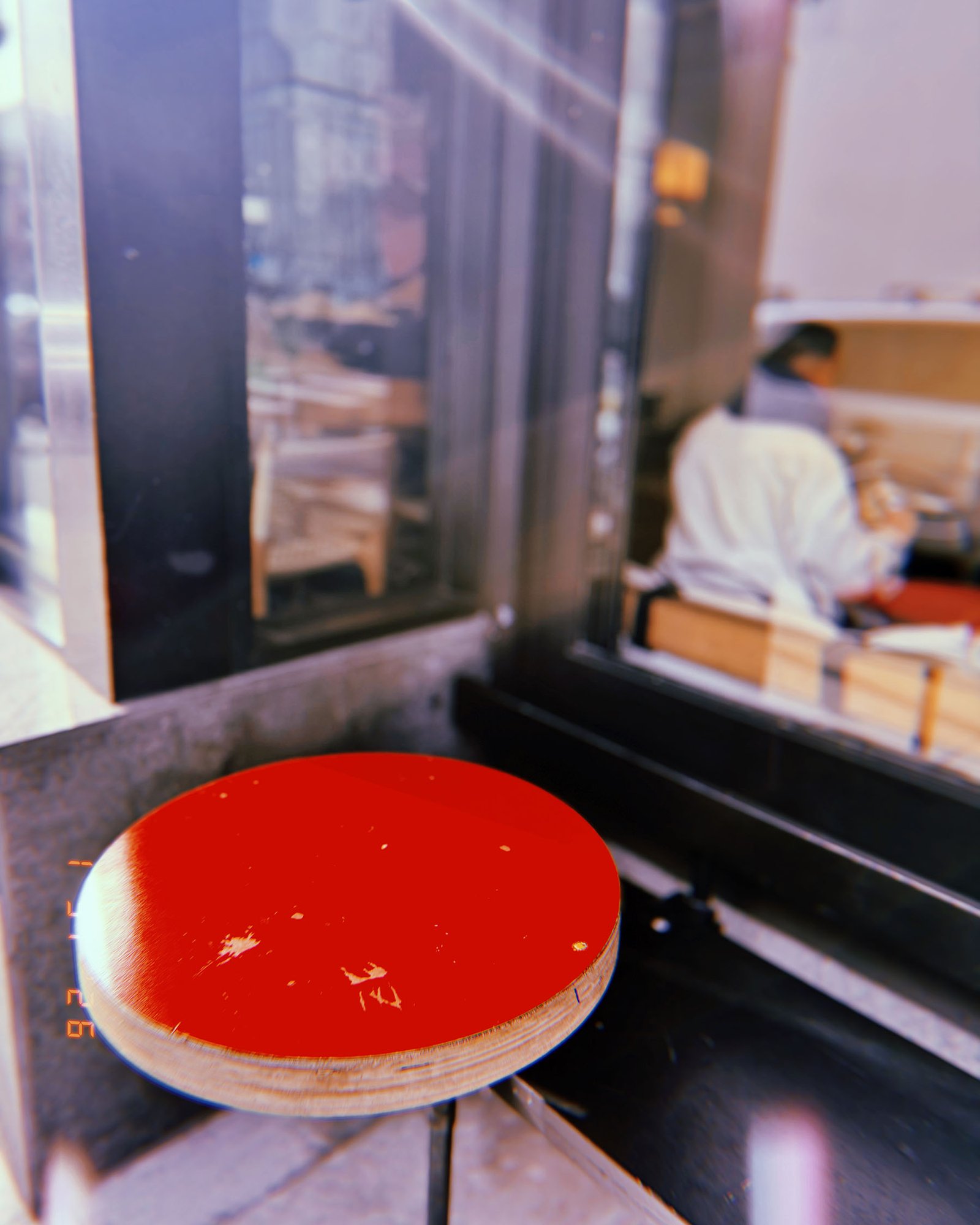
SF Modules – Set 005 – Units – 04
SF Modules — Set 005 “Units”.
A public mailbox positioned along the sidewalk. The metal collection box functions as a distributed unit within the city’s postal network, providing a standardized interface for depositing outgoing mail into the national delivery system.
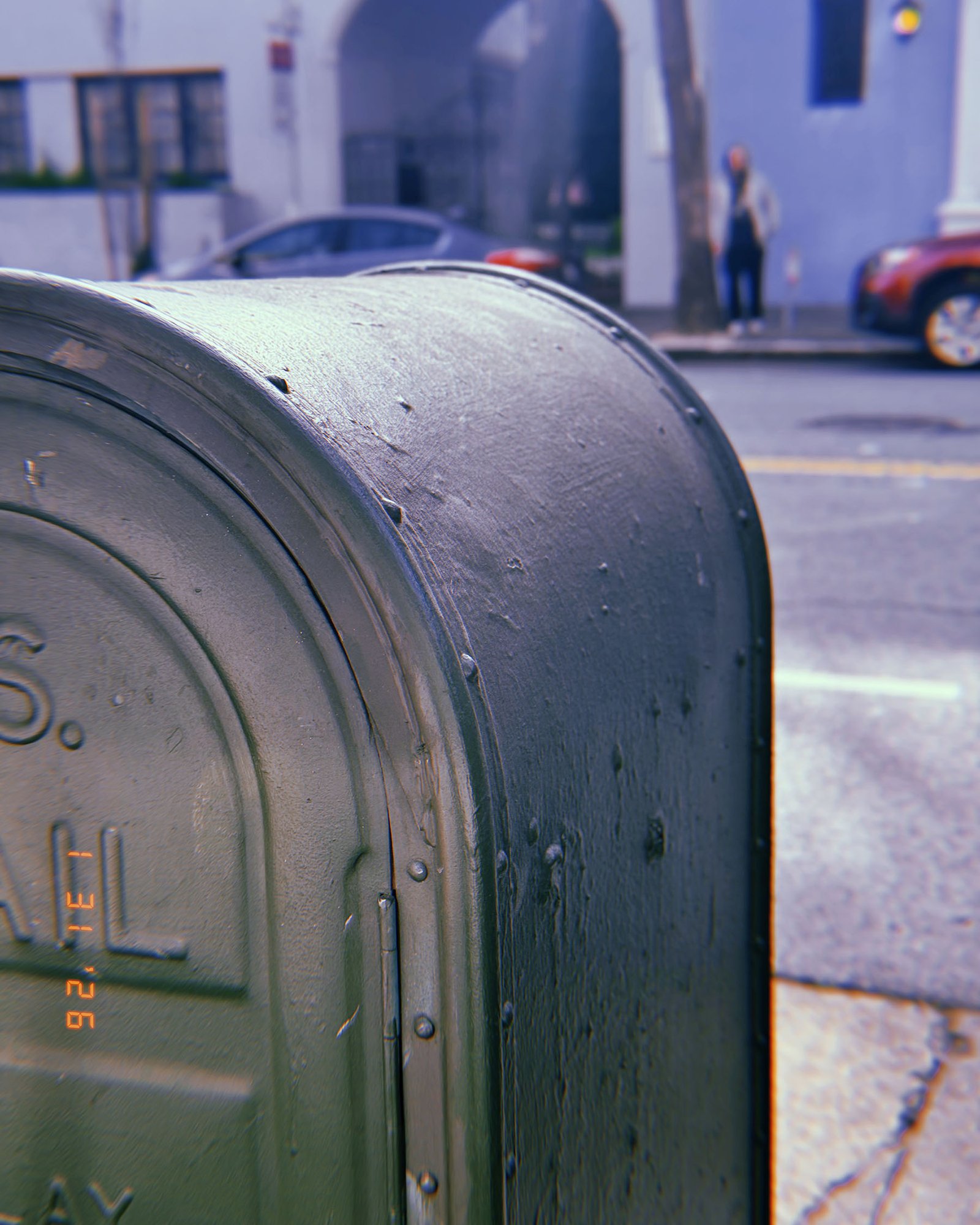
SF Modules – Set 005 – Units – 05
SF Modules — Set 005 “Units”.
A street utility cabinet installed at the edge of the sidewalk beside a public trash receptacle. The metal enclosure houses electrical or communication components that support nearby urban infrastructure, functioning as a discrete service unit within the city’s operational network.
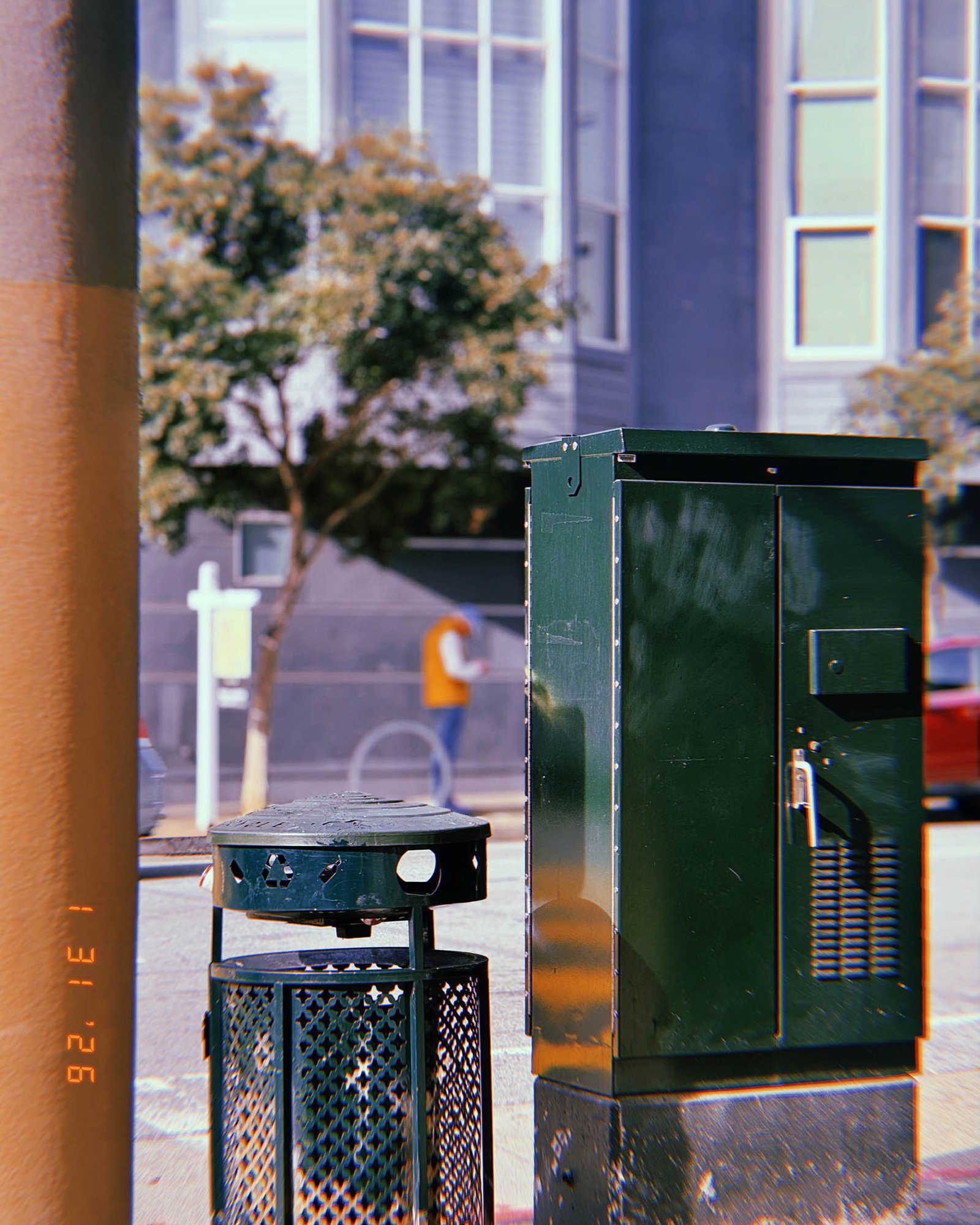
SF Modules – Set 005 – Units – 06
SF Modules — Set 005 “Units”.
A parking payment meter positioned along the sidewalk. The device functions as a transactional unit within the city’s parking management system, allowing drivers to register and pay for temporary use of street space.
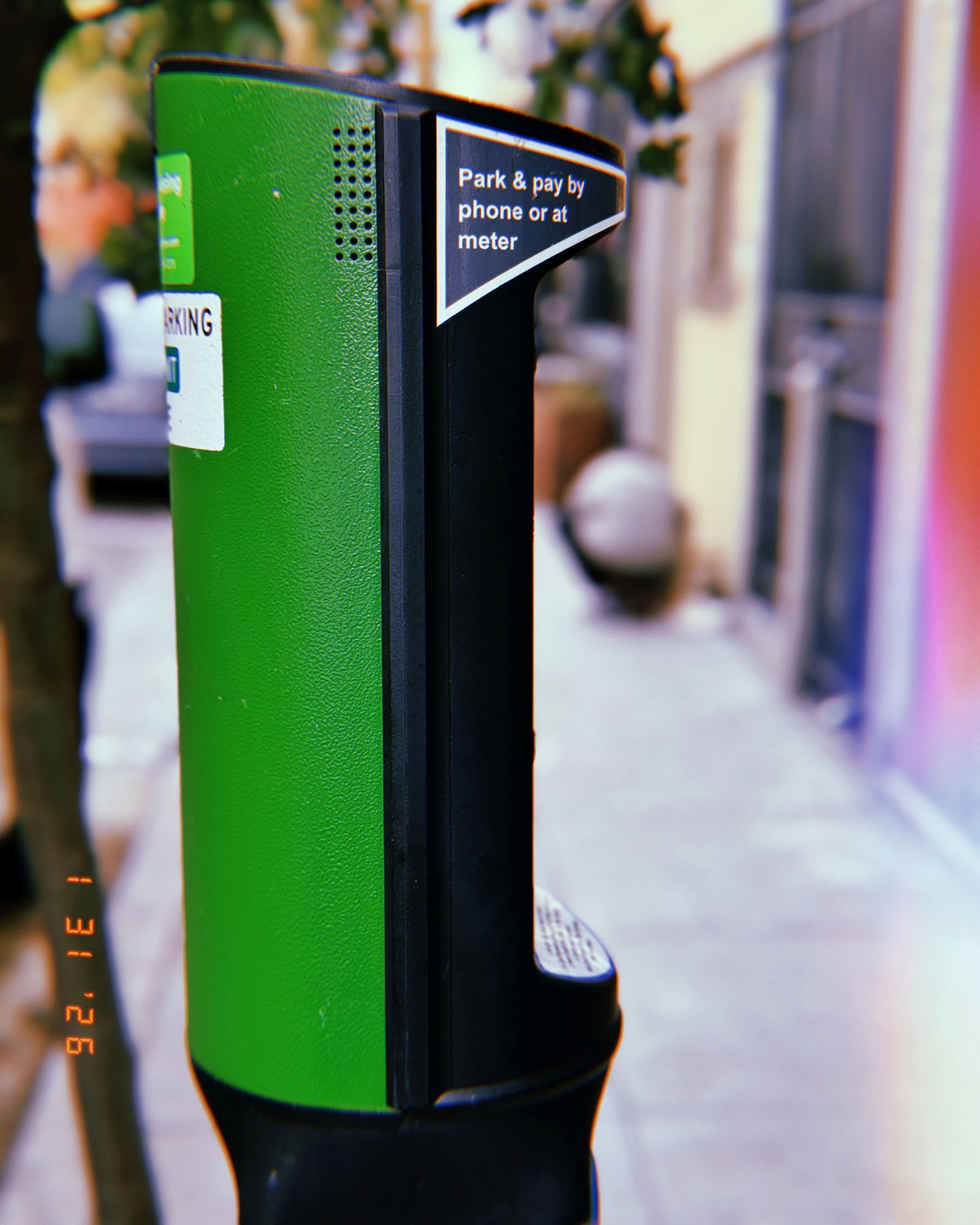
SF Modules – Set 005 – Units – 07
SF Modules — Set 005 “Units”.
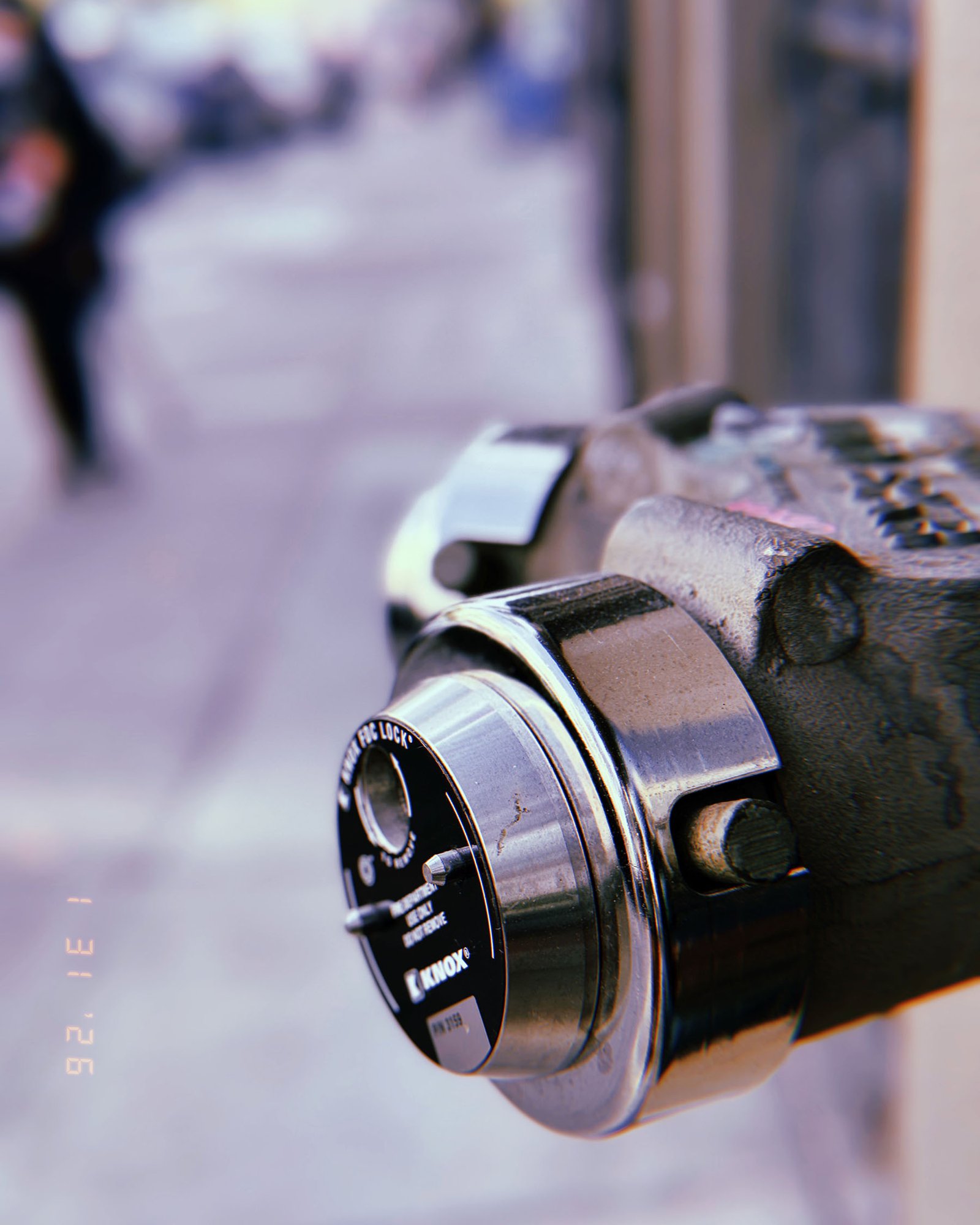
A Knox emergency access lock mounted on a building service connection. The device allows authorized fire department personnel to access secured infrastructure during emergencies, functioning as a controlled interface between building systems and municipal response services.
SF Modules – Set 005 – Units – 08
SF Modules — Set 005 “Units”.
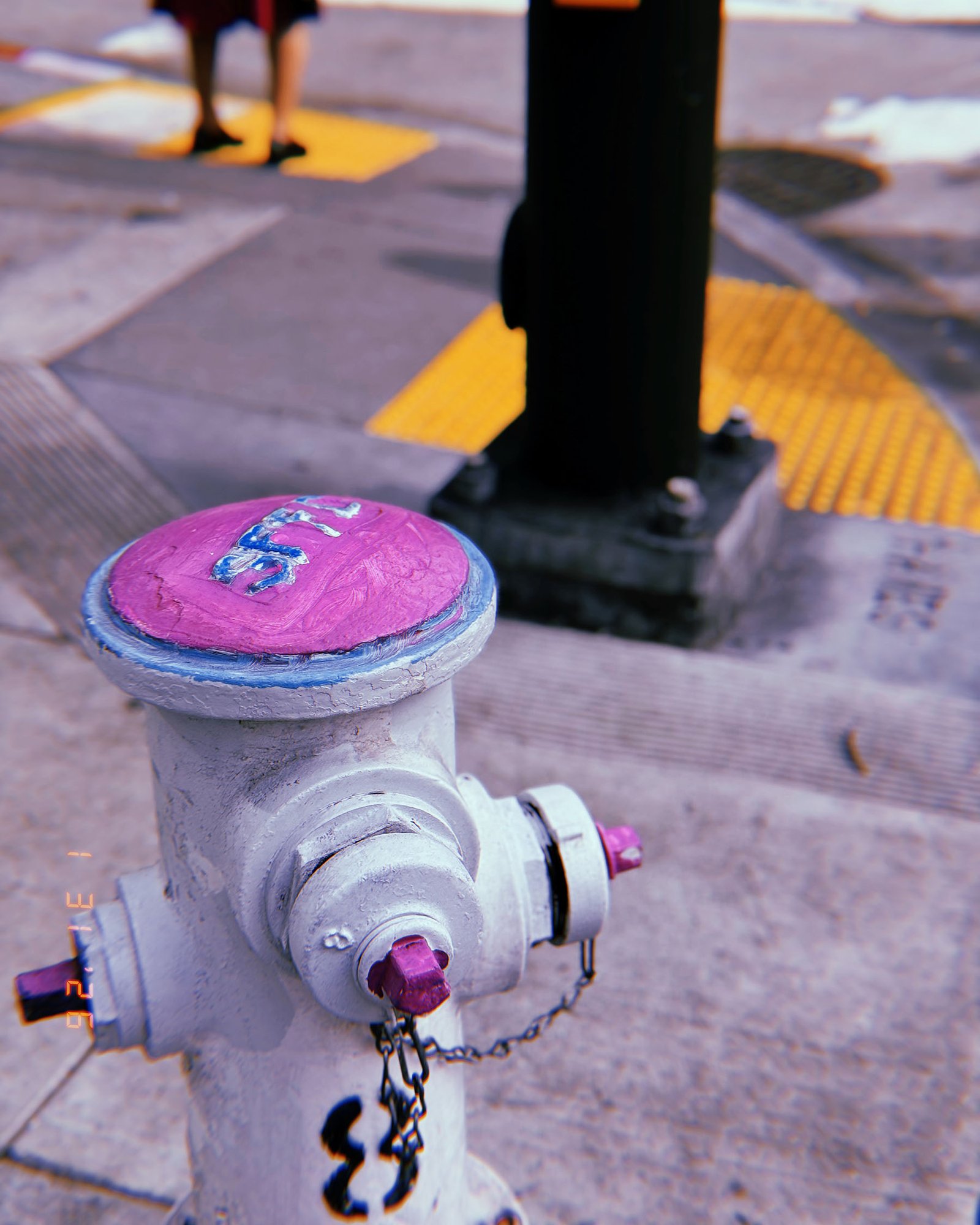
A municipal fire hydrant installed at a street corner. As part of the city’s emergency infrastructure, the device provides direct access to the water distribution system, functioning as a standardized service unit embedded in the sidewalk environment.
SF Modules – Set 005 – Units – 09
SF Modules — Set 005 “Units”.
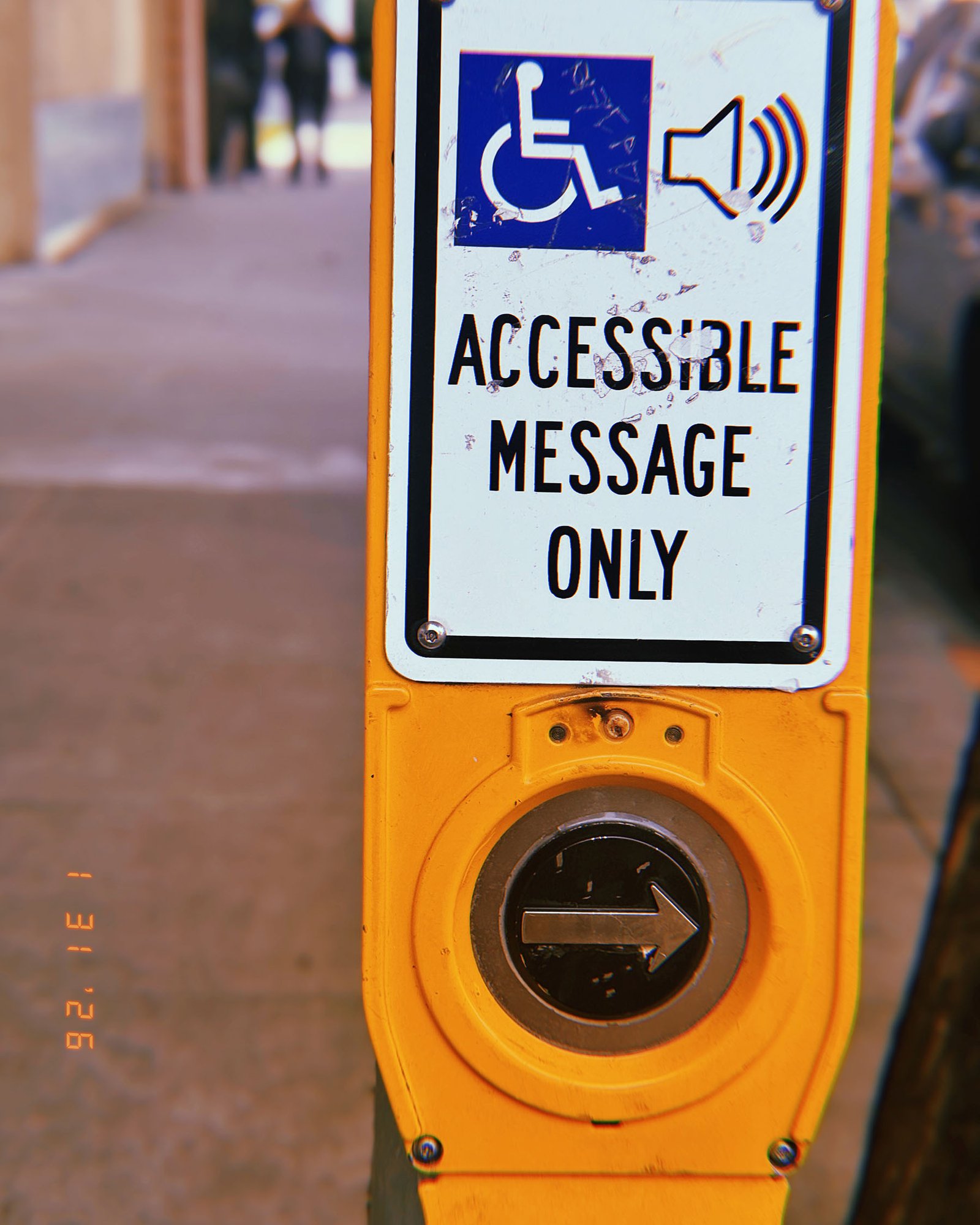
A pedestrian crossing control unit mounted on a street pole. The device provides an accessible audio signal for crossing requests, functioning as a small interface between pedestrians and the city’s traffic control system.
SF Modules – Set 004 – Reflections – 01
SF Modules — Set 004 “Reflections”.
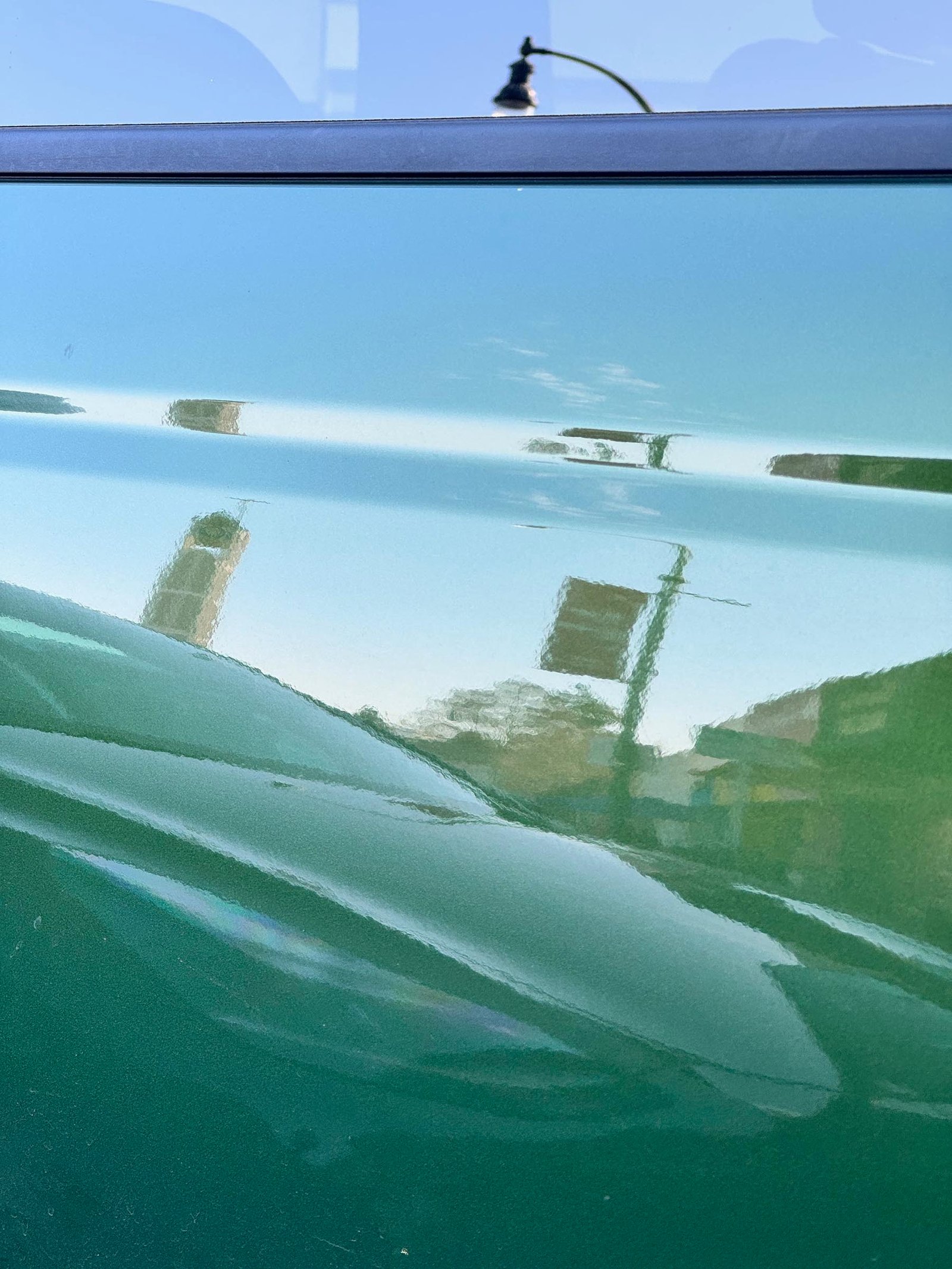
The glossy surface of a green car door reflects traffic lights, buildings, and elements of the surrounding street. The curved metal body stretches and compresses the urban scene, producing a layered and slightly distorted mirror of the city’s infrastructure.
SF Modules – Set 004 – Reflections – 02
SF Modules — Set 004 “Reflections”.
The polished surface of a parked car reflects nearby buildings, a street sign, and the surrounding street environment. The curved automotive body compresses and bends the architecture into a layered reflection, turning the everyday urban scene into a distorted mirror image.
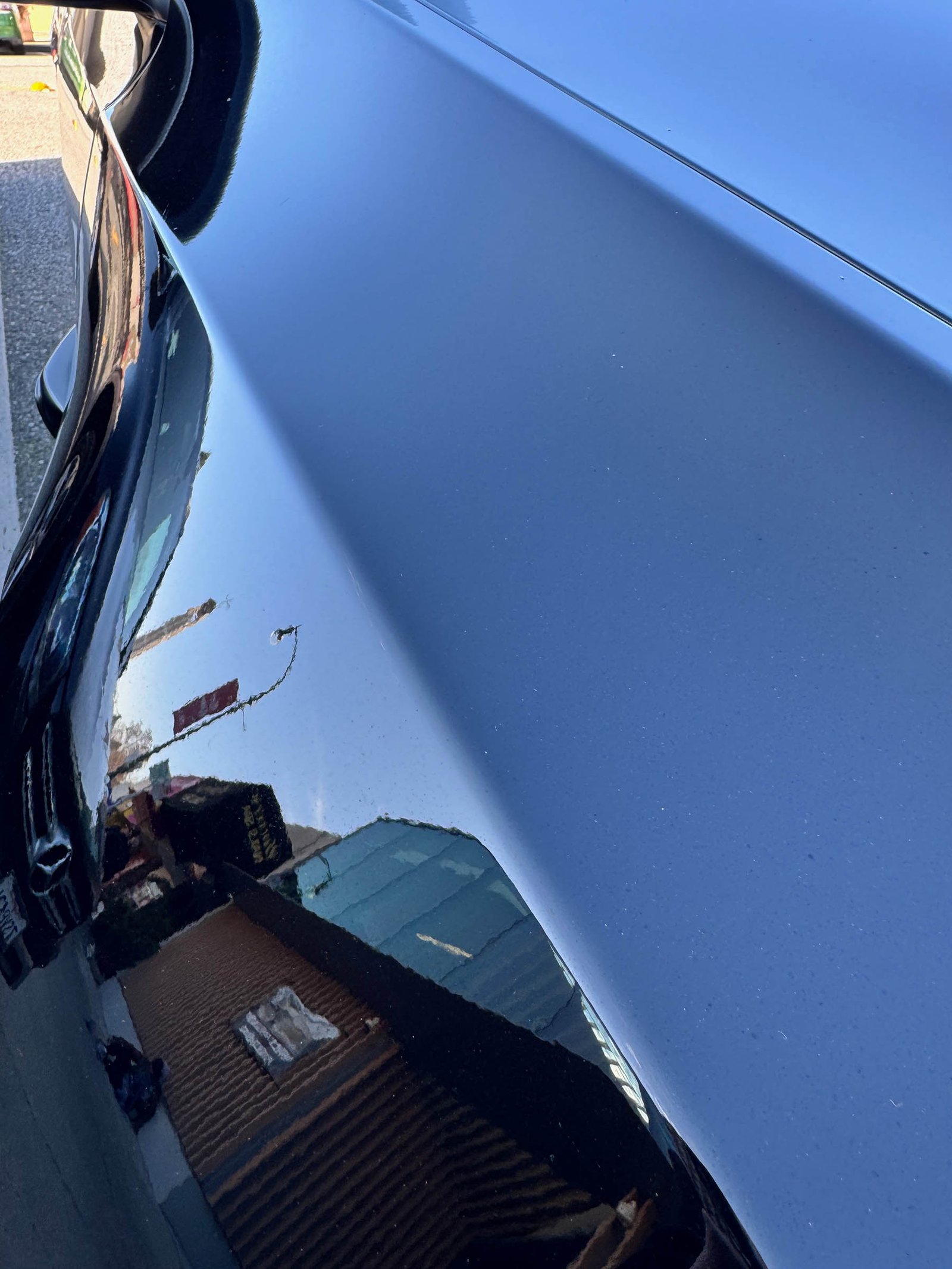
SF Modules – Set 004 – Reflections – 03
SF Modules — Set 004 “Reflections”.
The glossy hood of a parked car captures the reflected shadows of overhead utility wires and a streetlight pole. The curved metal surface bends the linear infrastructure into distorted forms, transforming the surrounding street system into an abstract reflective pattern.
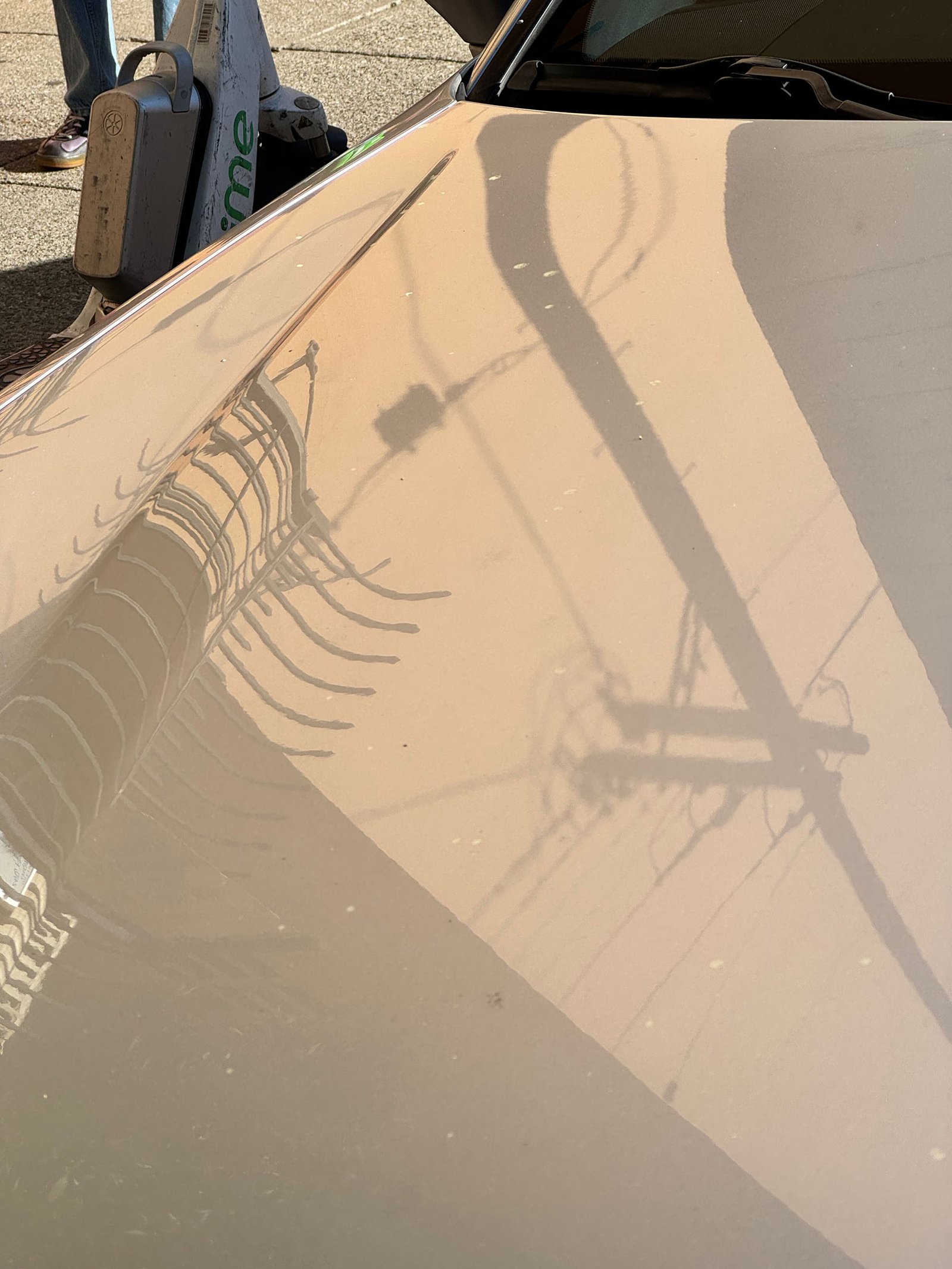
SF Modules – Set 004 – Reflections – 04
SF Modules — Set 004 “Reflections”.
The glossy surface of a blue car door mirrors nearby buildings and the sidewalk edge. Architectural lines and urban textures appear compressed within the reflective paint, producing a flattened secondary image of the surrounding street.
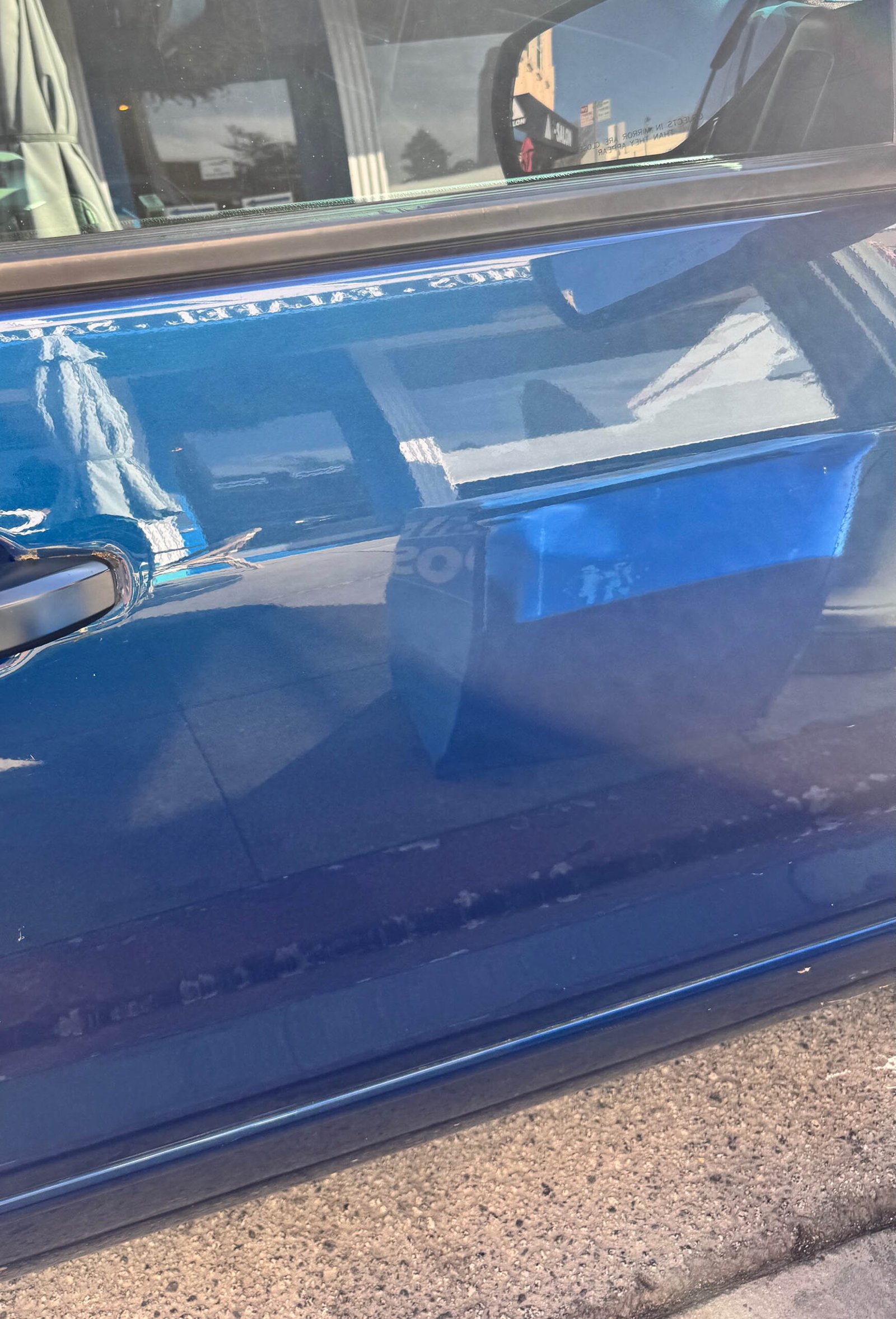
SF Modules – Set 004 – Reflections – 05
SF Modules — Set 004 “Reflections”.
The metallic blue surface of a parked vehicle reflects the silhouette of nearby trees and open sky. Light and color shift across the curved paint, turning the car body into a temporary mirror of the surrounding urban landscape.

SF Modules – Set 004 – Reflections – 06
SF Modules — Set 004 “Reflections”.
Tree branches and nearby architecture appear mirrored across the curved red surface of a parked vehicle. The reflective paint compresses and bends the surrounding environment, producing a layered image of organic forms and urban structure.
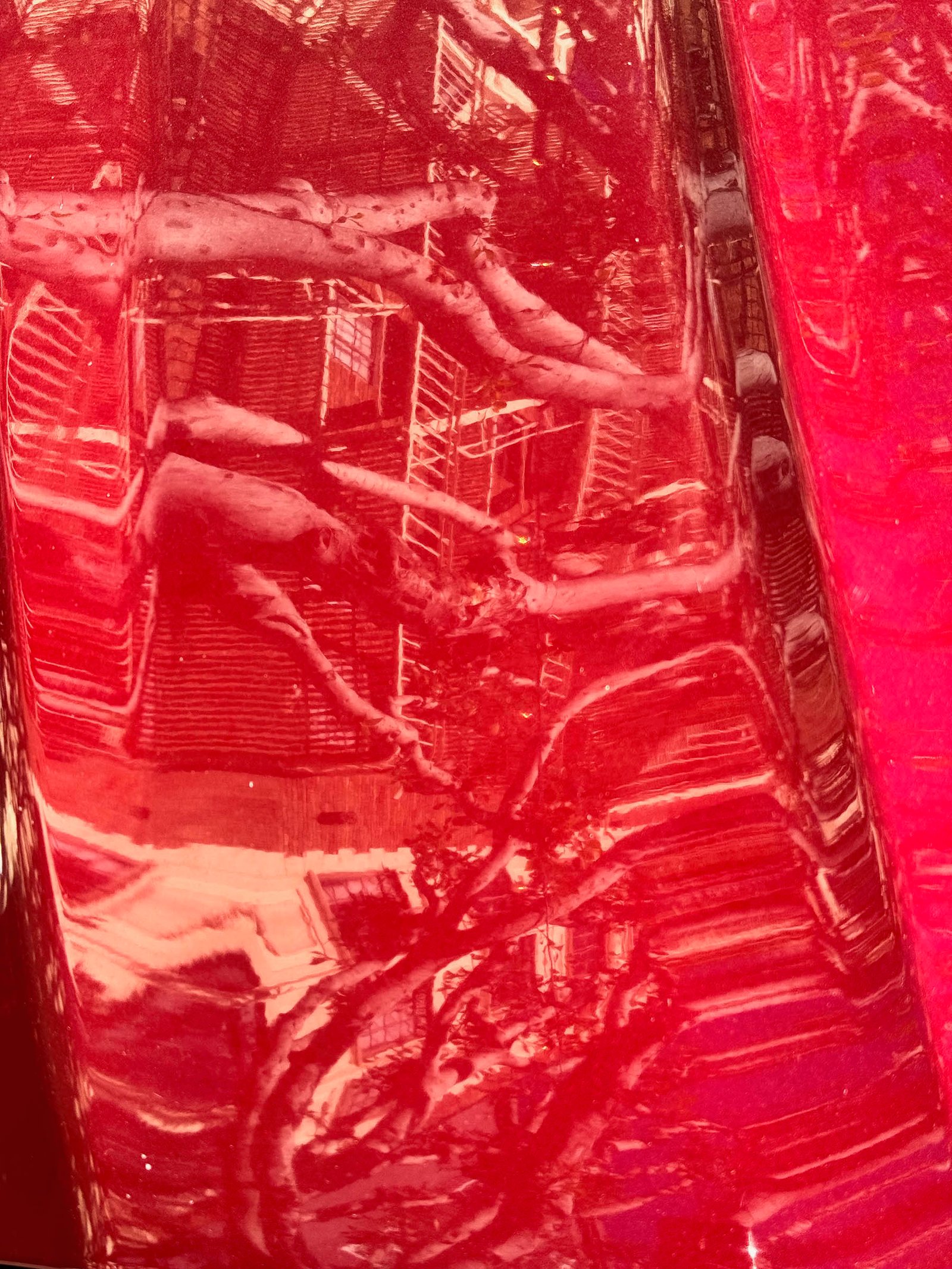
SF Modules – Set 004 – Reflections – 07
SF Modules — Set 004 “Reflections”.
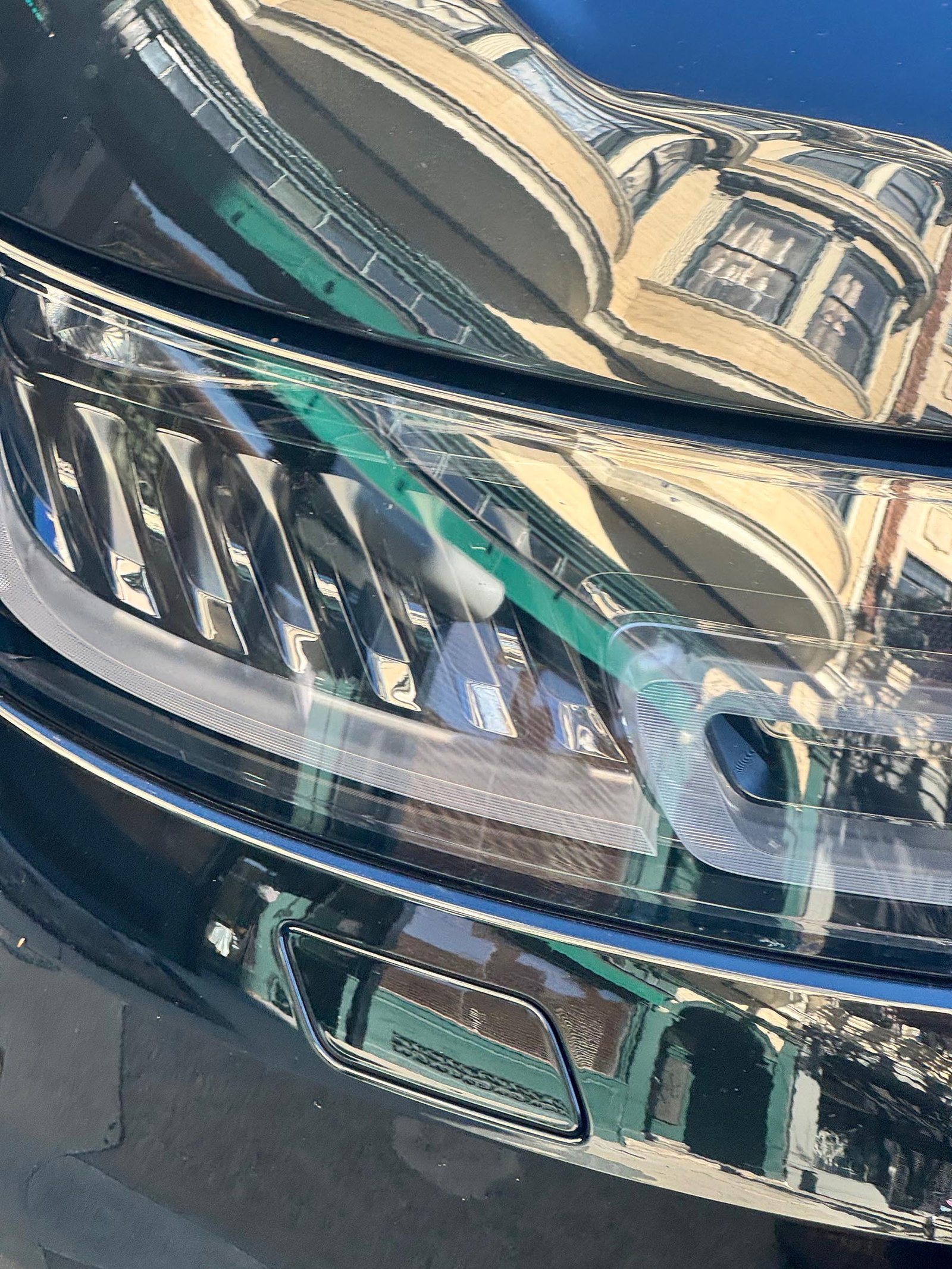
reflection of ornate building facade in car headlight and hood
SF Modules – Set 004 – Reflections – 08
SF Modules — Set 004 “Reflections”.
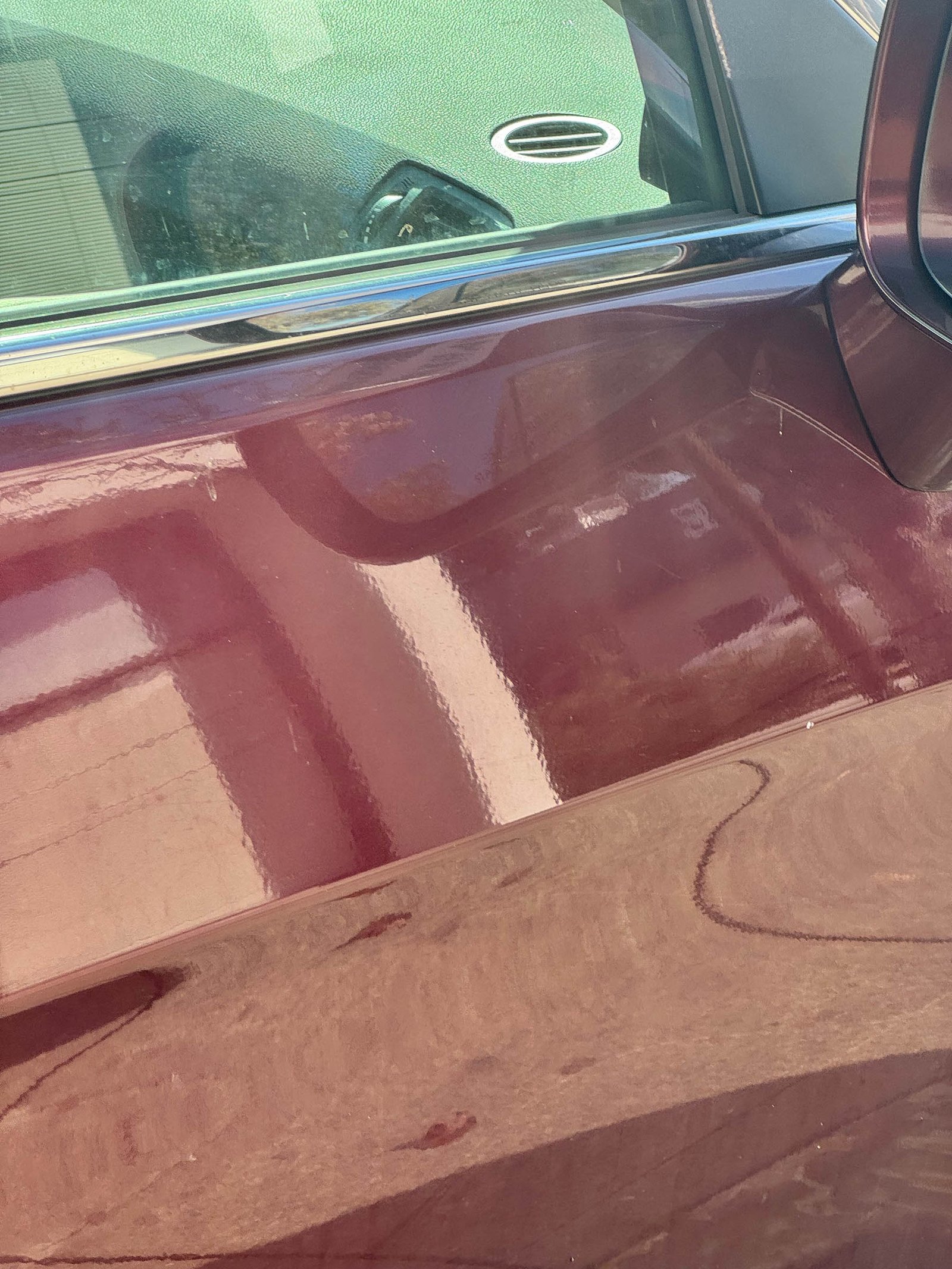
The polished surface of a parked car door mirrors nearby architecture and street space. Window shapes and structural lines appear flattened and distorted within the reflective paint, producing a secondary image of the surrounding urban environment.
SF Modules – Set 004 – Reflections – 09
SF Modules — Set 004 “Reflections”.
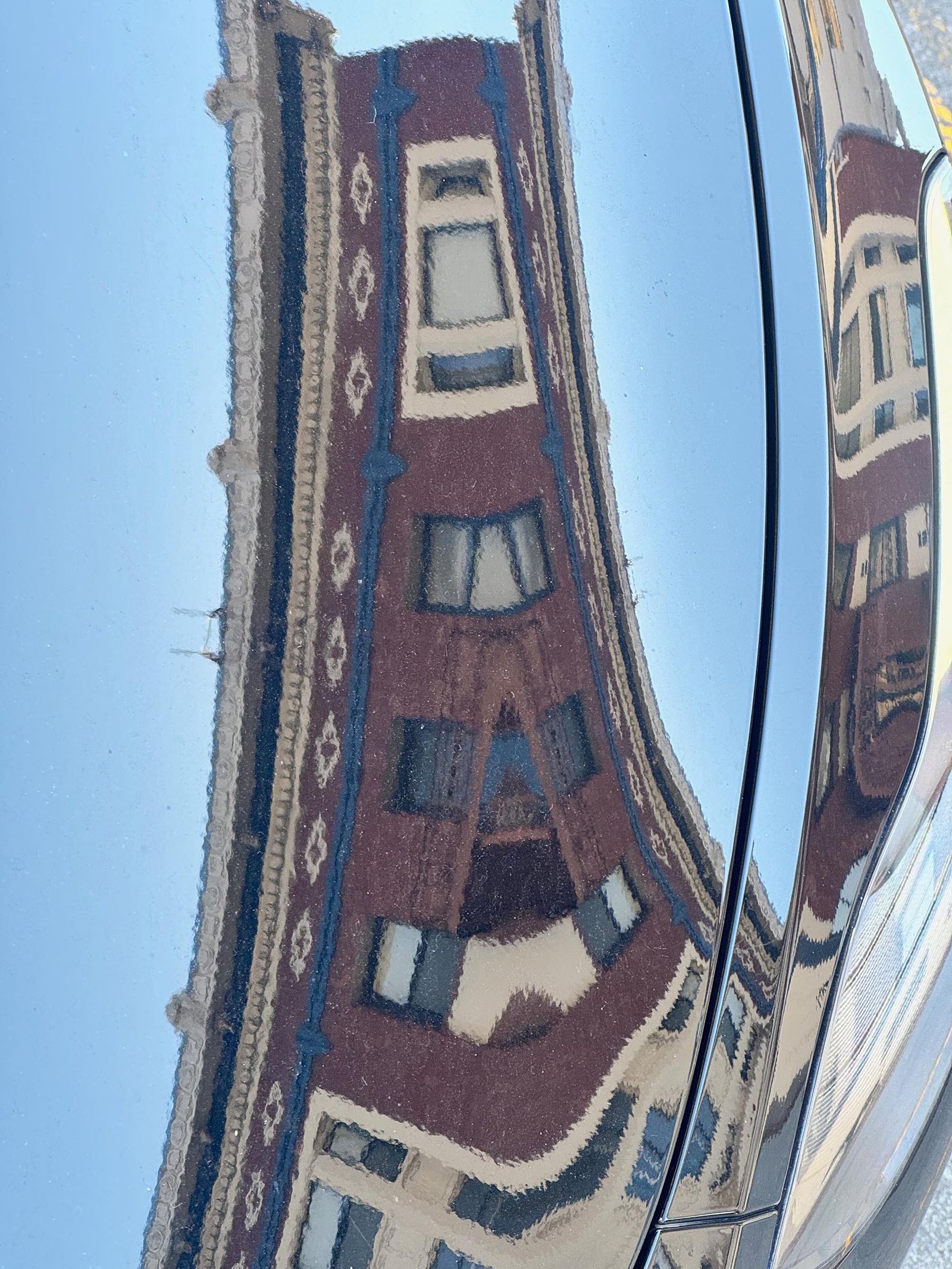
The facade of a historic building appears warped across the curved surface of a parked vehicle. Architectural details bend and stretch within the reflective metal, transforming the structure into a fluid, distorted image of the surrounding city.
SF Modules – Set 003 – Traces – 01
SF Modules — Set 003 “Traces”.
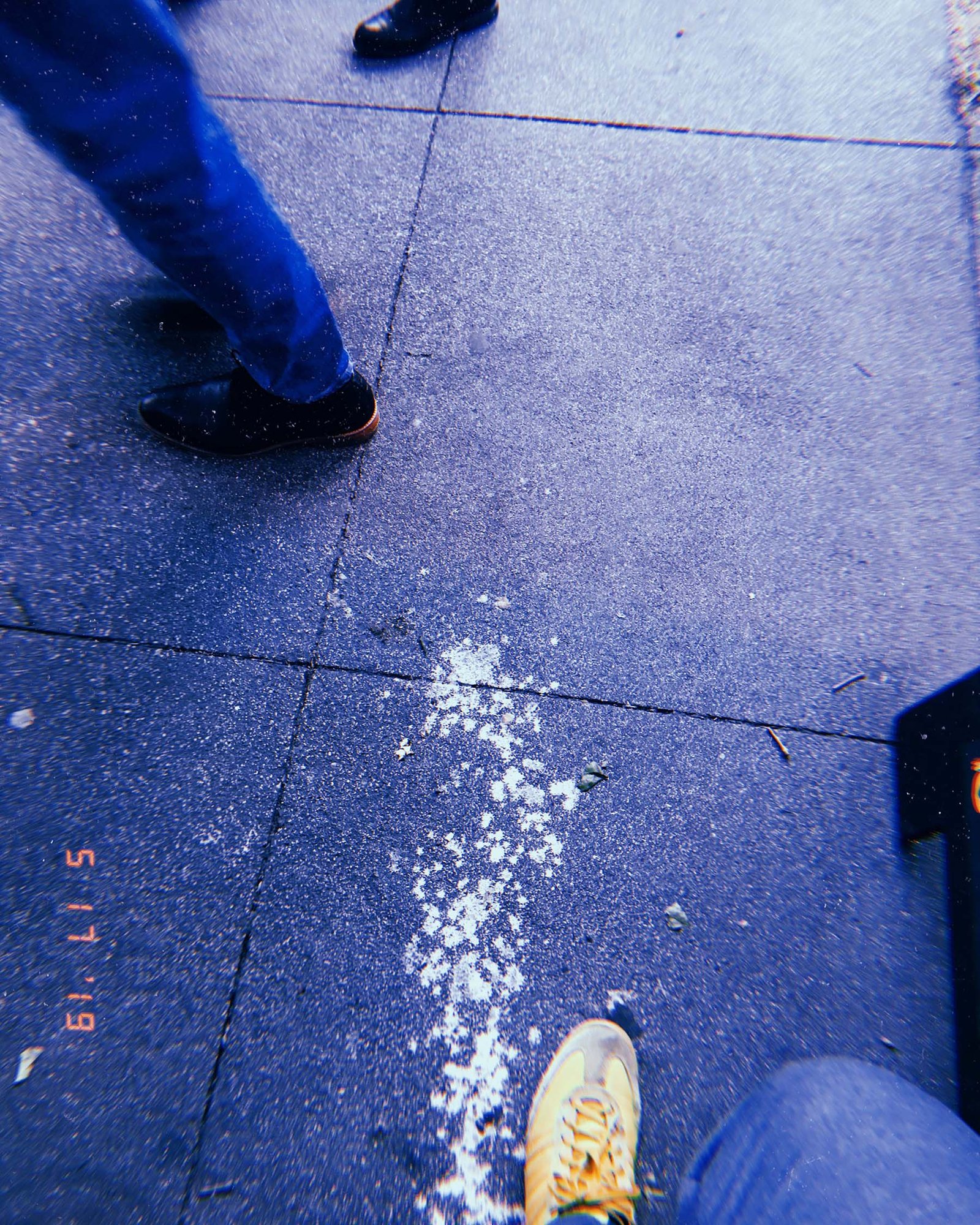
White splatter marks stretch across a concrete sidewalk grid while pedestrians move through the frame. The accidental residue interrupts the regular geometry of the pavement, recording a momentary trace left on the surface of the city.
SF Modules – Set 003 – Traces – 02
SF Modules — Set 003 “Traces”.
A numbered metal tag is fixed to the surface of a tree trunk. The small identification marker intersects with the natural texture of the bark, recording a trace of administrative cataloging within the urban landscape.

SF Modules – Set 003 – Traces – 03
SF Modules — Set 003 “Traces”.
A shallow puddle on a painted street surface reflects nearby trees and sky. Fallen leaves, small debris, and surface markings collect within the water, forming temporary visual traces created by weather, gravity, and the surrounding urban environment.

SF Modules – Set 003 – Traces – 04
SF Modules — Set 003 “Traces”.
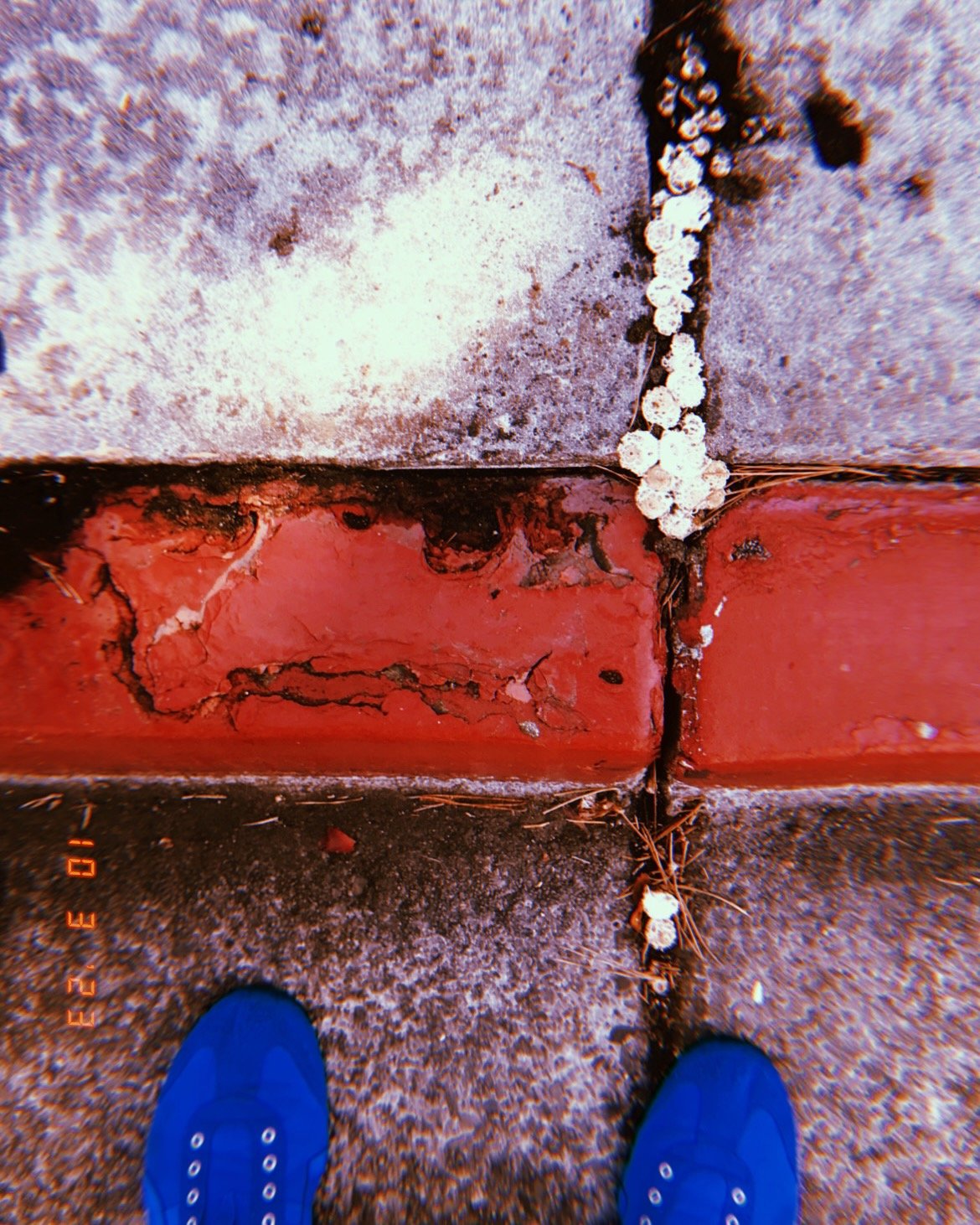
A red painted curb intersects with weathered concrete surfaces marked by cracks, residue, and small accumulations of organic material. The image records the layered traces left by maintenance, environmental exposure, and everyday use of the street edge.
SF Modules – Set 003 – Traces – 05
SF Modules — Set 003 “Traces”.
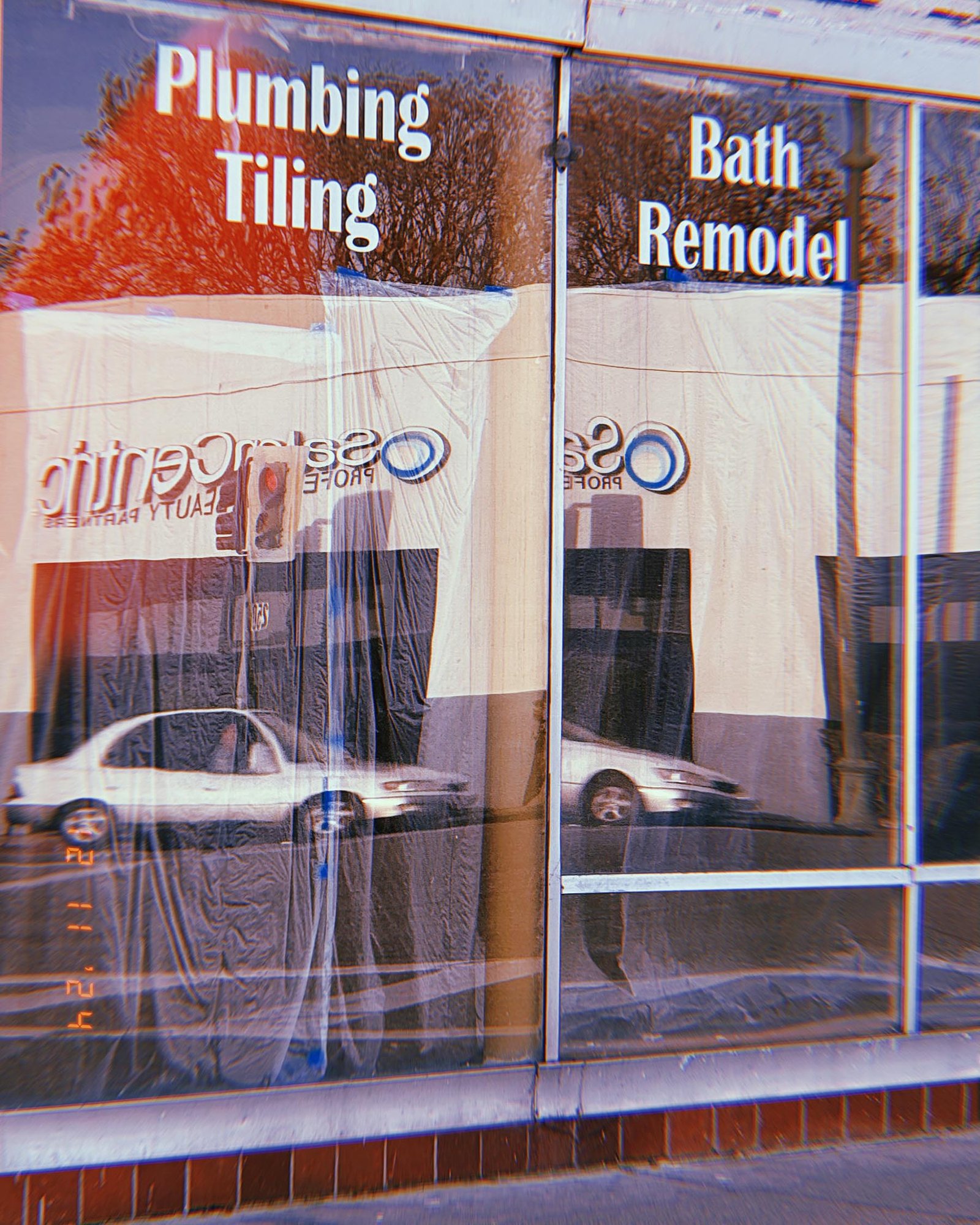
A storefront window covered with plastic reflects passing vehicles and street infrastructure. Layers of reflection, printed signage, and temporary covering create overlapping visual traces of commercial space and urban movement.
SF Modules – Set 003 – Traces – 06
SF Modules — Set 003 “Traces”.
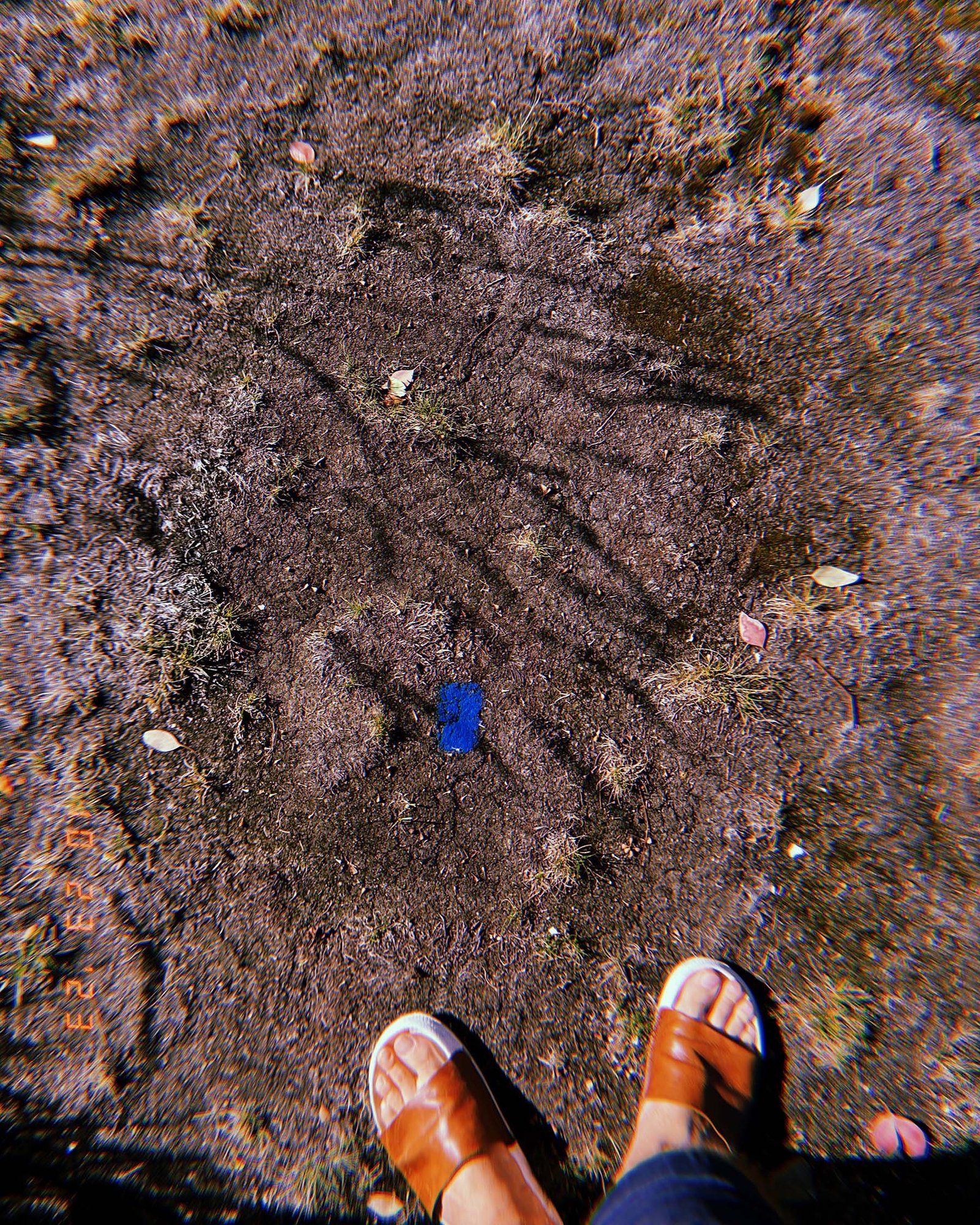
This image records a disturbed patch of ground marked by cracks, footprints, and a small blue paint indicator. The surface carries layered traces of environmental change and human activity, forming an accidental diagram within the urban terrain.
SF Modules – Set 003 – Traces – 07
SF Modules — Set 003 “Traces”.
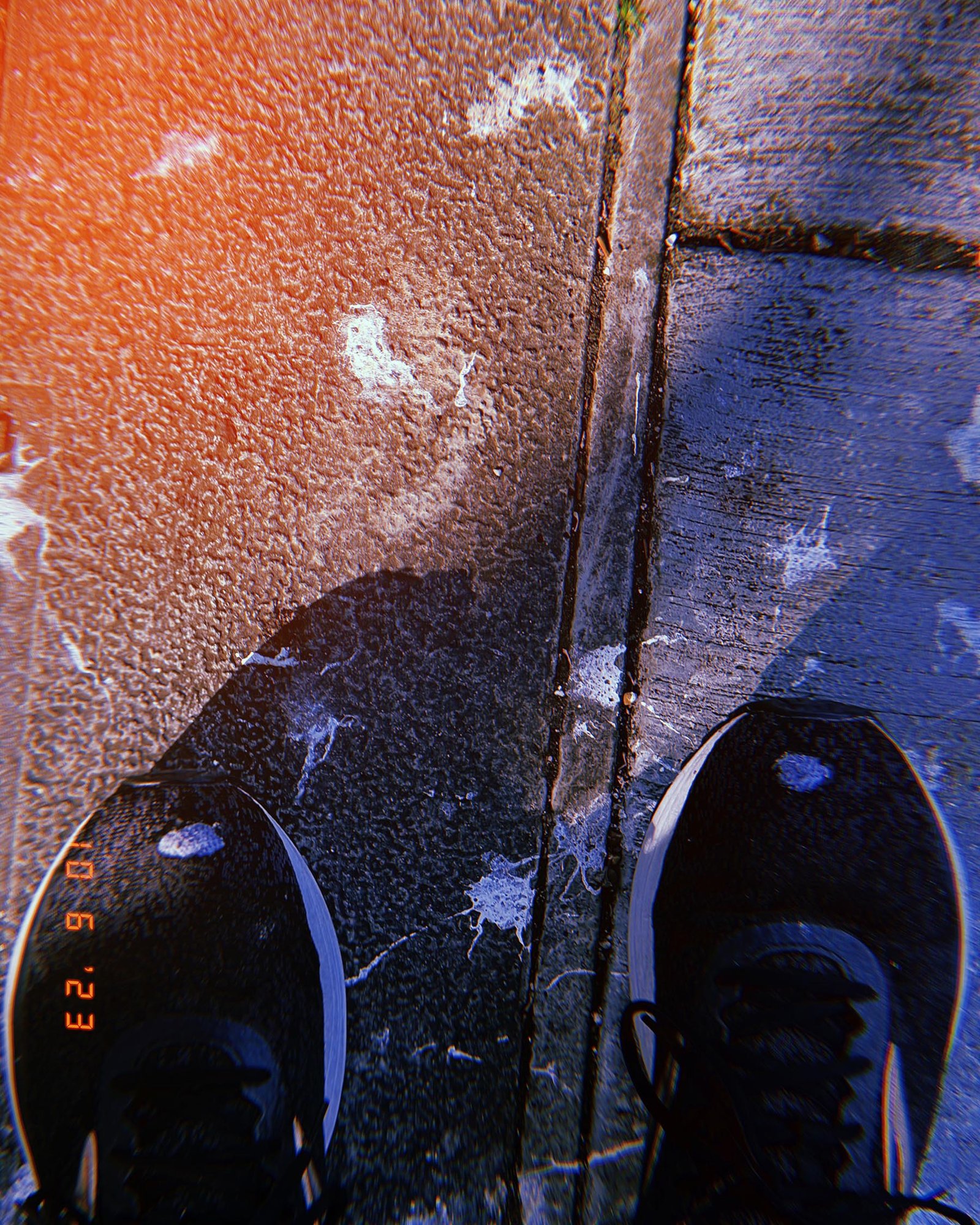
The image records a moment of passage across a threshold where different surfaces meet. Footwear and movement leave temporary traces across the textured ground, emphasizing the intersection between human movement and urban material surfaces.

SF Modules – Set 003 – Traces – 08
SF Modules— Set 003 “Traces”.
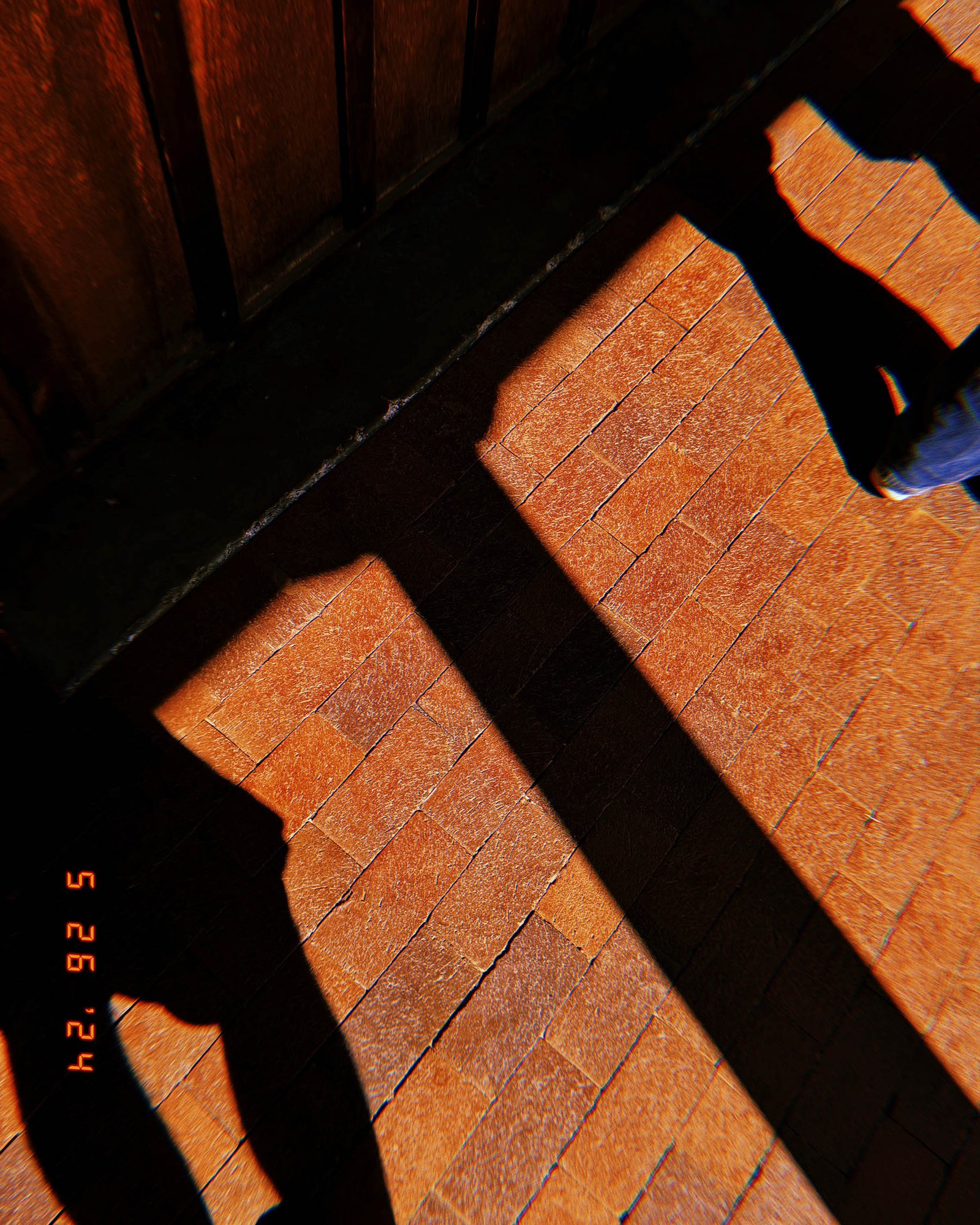
This image documents the temporary traces created by moving bodies in urban space. Shadows stretch across a brick sidewalk surface, forming momentary imprints of human presence within the city’s material grid.
SF Modules – Set 003 – Traces – 09
SF Modules — Set 003 “Traces”. Documentation of residual marks and physical traces on urban surfaces in San Francisco, focusing on stains, textures, and incidental imprints left by everyday activity.